Commodore 1530 (Datasette)
Gallery
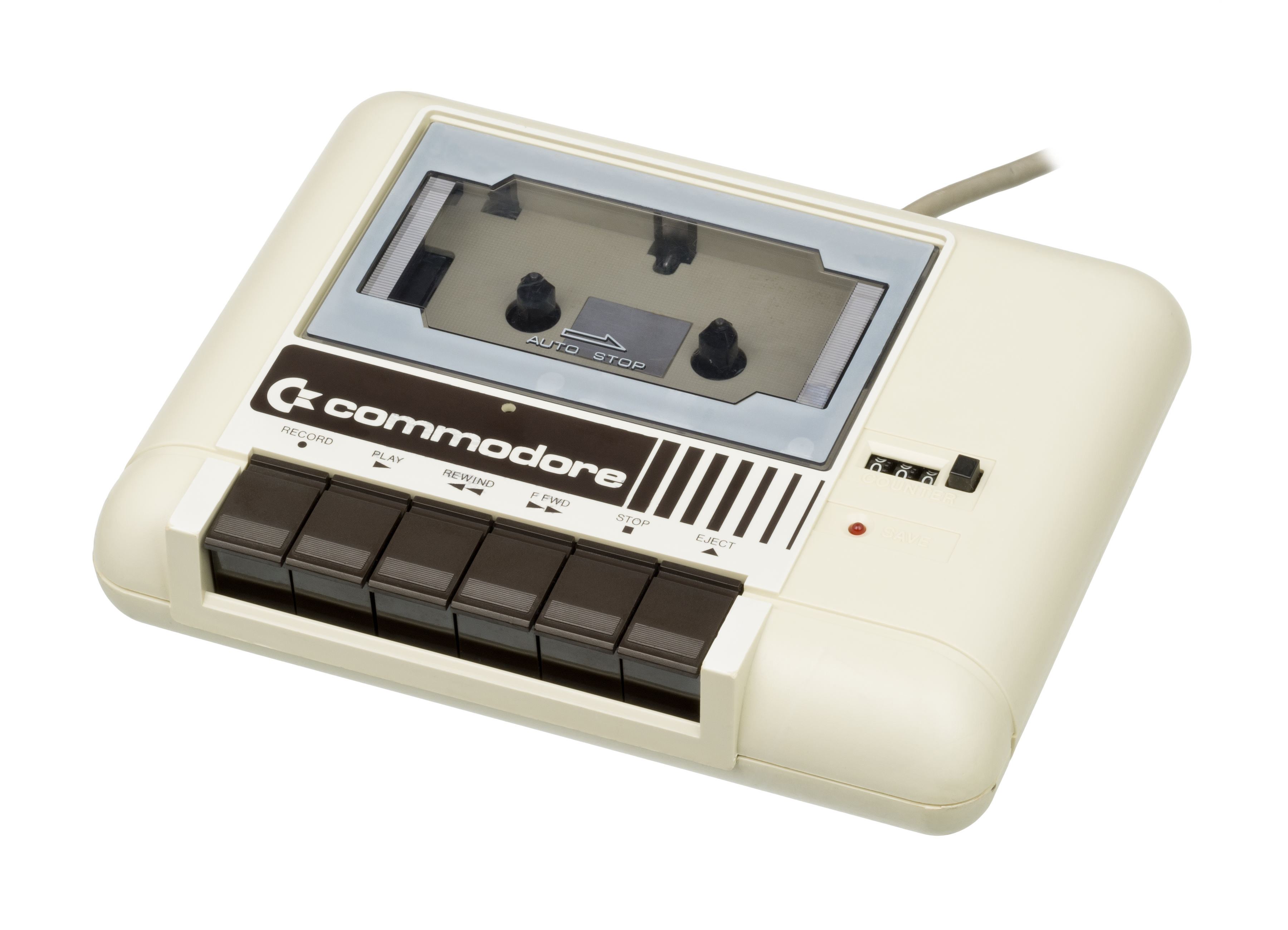
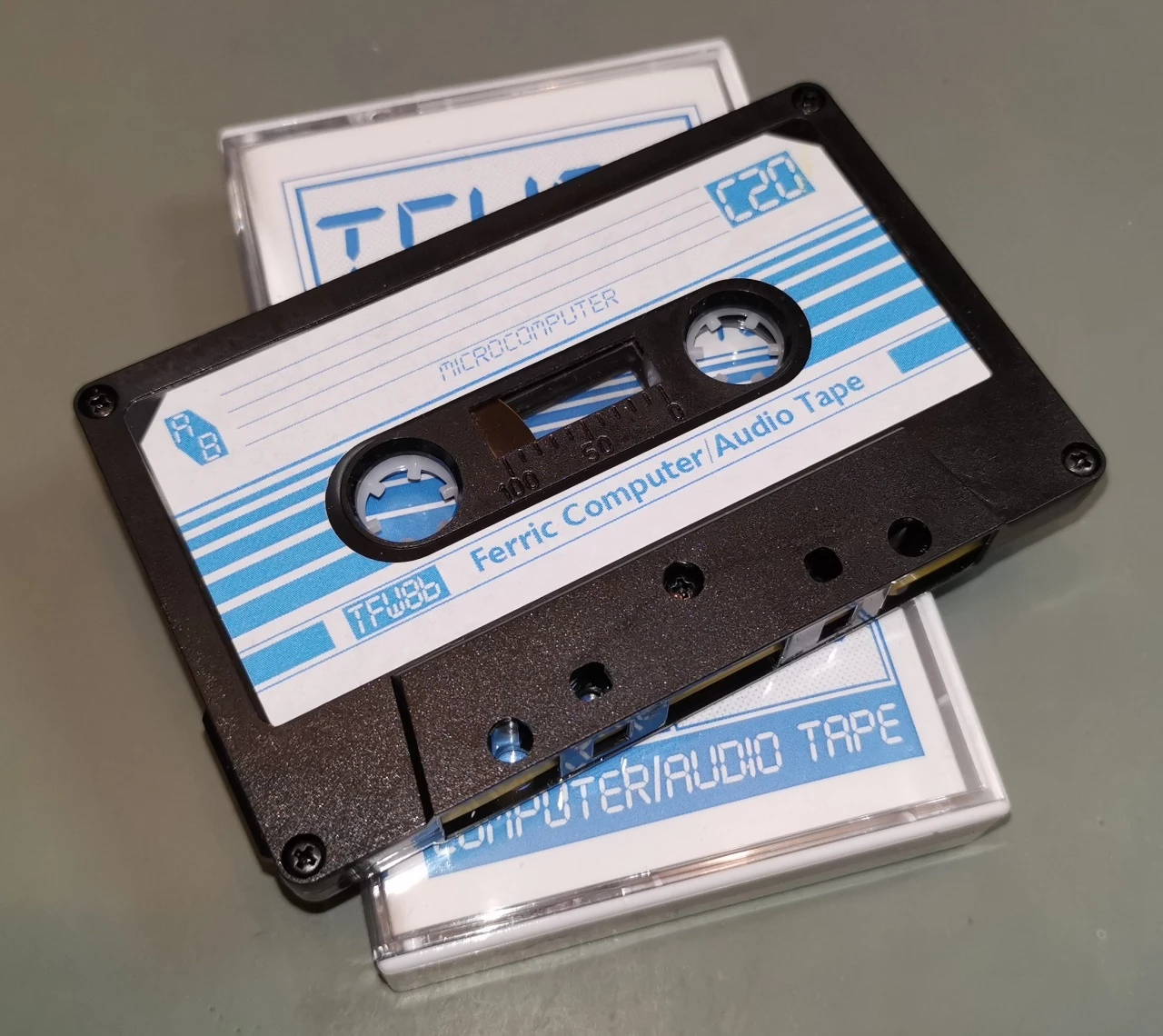
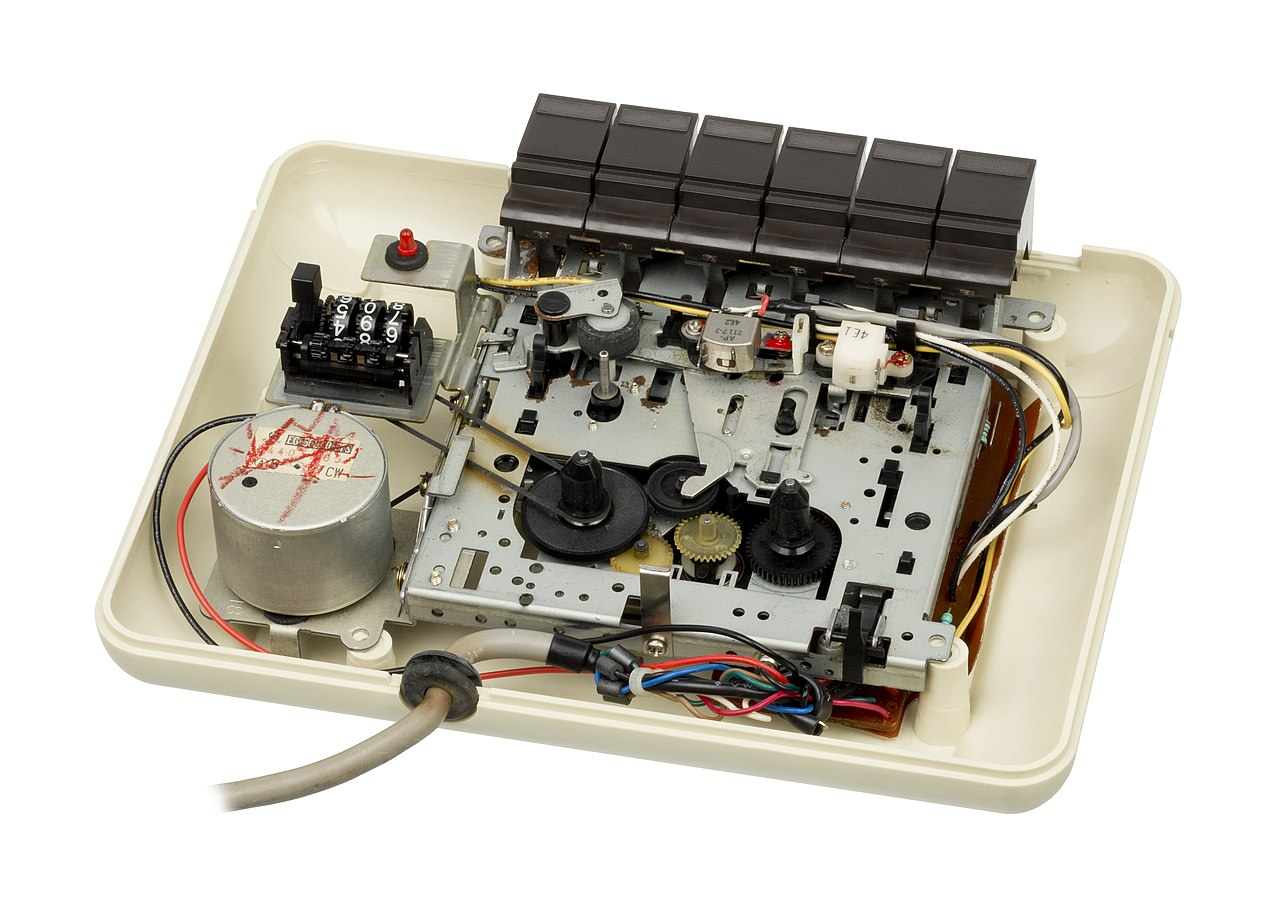
Commodore 1530 (Datasette)
“The Datasette was our solution to the high cost of disk drives in the early days of home computing. By using standard audio cassettes, we were able to offer an affordable storage solution that brought computing to the masses. While it was slow compared to disk drives, it was reliable, portable, and most importantly, it worked. The distinctive sound of a program loading from tape is something that every Commodore user from that era remembers fondly.” - Bob Yannes, Commodore Engineer
The Commodore 1530, commonly known as the Datasette (a portmanteau of “data” and “cassette”), was Commodore’s dedicated cassette tape drive for its home computers. Introduced in 1982 alongside the VIC-20, it became the primary storage medium for many early Commodore 64 users due to its affordability compared to floppy disk drives. The Datasette used standard audio cassettes to store digital data, with each side of a C90 cassette capable of holding around 170KB of data. Its simple design, reliability, and low cost made it an essential accessory for budget-conscious computer users throughout the 1980s.
Technical Specifications
Technical Specifications
- CPU
- None (dumb peripheral)
- Memory
- None
- Storage
- ~170 KB per 30 minutes (C90 tape)
- Dimensions
- 22 × 13 × 6 cm (8.7 × 5.1 × 2.4 in)
- Weight
- 1.1 kg (2.4 lb)
- Power
- Powered from computer (no external power required)
Features and Capabilities
Hardware Design
- Drive Mechanism: Standard audio cassette mechanism
- Heads: Single read/write head
- Motors: Single capstan motor
- Interface: 12-pin DIN connector
- Controls: Play, Record, Stop/Eject, Fast Forward, Rewind
- LED Indicators: Power, Record, Motor
Tape Format
- Media: Standard C60/C90/C120 audio cassettes
- Tracks: 2 (stereo, but typically used in mono)
- Recording Method: Frequency-shift keying (FSK)
- Frequencies: 1,200 Hz (0 bit), 2,400 Hz (1 bit)
- Density: ~300-500 bps (effective)
Performance
- Average Load Time: 2-5 minutes (varies by program size)
- Rewind Time: ~2 minutes (C60 tape)
- Fast Forward Time: ~1.5 minutes (C60 tape)
- Data Transfer Rate: ~50 bytes/second (effective)
Models and Variants
Original 1530 (VIC-1530)
- Model Number: VIC-1530
- Features: Beige case, VIC-20 branding
- Compatibility: VIC-20, C64 (with adapter)
- Known Issues: Early units had reliability problems
1530 C2N (1982-1994)
- Improvements: Black case, improved mechanism
- Changes: Standardized design across all models
- Compatibility: All Commodore 8-bit computers
1531 (C16/Plus4 Version)
- Differences: Different connector, same mechanism
- Compatibility: C16, Plus/4, C116
- Rarity: Less common than 1530
Third-Party Clones
- Oceanic OC-168: Popular clone
- MPS-801: Printer/Datasette combo
- TIB 001: Turbo Tape compatible
Usage and Operation
Basic Commands
LOAD           : REM Load first program on tape
LOAD "PROGRAM" : REM Load specific program
SAVE "PROGRAM" : REM Save program to tape
VERIFY         : REM Verify program on tape
OPEN 1,1,0,"FILENAME" : REM Open tape file
CLOSE 1        : REM Close tape file
Tape Commands
- LOAD: Load program from tape
- SAVE: Save program to tape
- VERIFY: Verify program on tape
- HEADER: Not applicable (no directory)
- SCNCLR: Clear screen before loading
Common Error Messages
- ?DEVICE NOT PRESENT: Datasette not connected
- ?FILE NOT FOUND: Program not found on tape
- ?LOAD ERROR: Read error, try rewinding
- ?VERIFY ERROR: Data verification failed
- ?OUT OF MEMORY: Not enough RAM to load
Technical Details
Data Format
- Leader: 30 seconds of tone
- Header Block: Program name and parameters
- Data Blocks: 192-byte blocks with checksum
- Parity: Simple checksum
- Gap Between Blocks: ~1 second
Signal Characteristics
- Encoding: Frequency-shift keying (FSK)
- Mark Frequency: 2,400 Hz (logical 1)
- Space Frequency: 1,200 Hz (logical 0)
- Baud Rate: 300 baud (theoretical)
- Amplitude: ~1V peak-to-peak
Electrical Interface
- Connector: 12-pin DIN
- Pinout:
- Pin 1: Motor control
- Pin 2: Read data
- Pin 3: Write data
- Pin 4: Write gate
- Pin 5: +5V
- Pin 6-12: Ground
Common Issues and Solutions
Common Problems
- Tape Not Loading
- Clean tape head
- Adjust head azimuth
- Try a different tape
- Check volume level (if using audio cable)
- Poor Sound Quality
- Clean head with isopropyl alcohol
- Demagnetize head
- Replace worn-out tapes
- Motor Not Turning
- Check connection to computer
- Verify motor control signal
- Check belt condition
- Distorted Audio
- Clean tape path
- Check tape tension
- Replace worn-out pinch roller
Maintenance
- Head Cleaning: Use isopropyl alcohol and cotton swab
- Demagnetizing: Use cassette demagnetizer
- Belt Replacement: Common in aging units
- Pinch Roller: Clean with rubber restorer
- Capstan: Clean with alcohol
Hacks and Modifications
Hardware Hacks
- Turbo Tape: Faster loading
- Auto-Stop: Automatic tape stop
- LED VU Meter: Visual level indicator
- External Audio: Direct audio input/output
Software Enhancements
- Turbo Loaders: Faster loading
- Multiload Games: Multiple loads from tape
- Tape Copiers: Copy protected tapes
- Tape Utilities: File management
Legacy and Impact
Historical Significance
- Affordable Storage: Made computing accessible
- Market Dominance: Shipped with millions of computers
- Cultural Icon: The sound of loading is iconic
- Hacking Culture: Inspired many programmers
Collectibility
- Value: $20-$100 depending on condition
- Rare Variants: Early VIC-1530 models
- Mint Condition: Boxed units command premium
- Restoration: Popular with retro enthusiasts
Modern Alternatives
- Tapuino: SD card adapter
- TAP Clean: Clean up old tape images
- Emulation: VICE, CCS64
- USB Cassette Adapters: For digitizing tapes
Technical Documentation
Pinouts
12-pin DIN Connector
1 - Motor Control
2 - Read Data
3 - Write Data
4 - Write Gate
5 - +5V
6-12 - Ground
Signal Levels
- Read Signal: ~1V peak-to-peak
- Write Signal: ~1V peak-to-peak
- Motor Control: 5V = on, 0V = off
- Write Gate: 5V = write, 0V = read
Maintenance Procedures
- Head Cleaning: Every 10 hours of use
- Demagnetizing: Every 20-30 hours
- Belt Replacement: When slipping occurs
- Pinch Roller: Clean monthly
In Popular Culture
- Featured in movies like “WarGames” and “The Terminator”
- Subject of many YouTube restoration videos
- The loading sound is instantly recognizable
- Featured in 1980s computer magazines
Further Reading
- C64-Wiki Datasette Page
- Lemon64 Datasette Forum
- The Datasette Preservation Project
- Commodore 1530 Service Manual
About This Page
This page documents the technical specifications, operation, and legacy of the Commodore 1530 Datasette. Information is based on official documentation, service manuals, and community knowledge.