Commodore 1660 Modem
Gallery
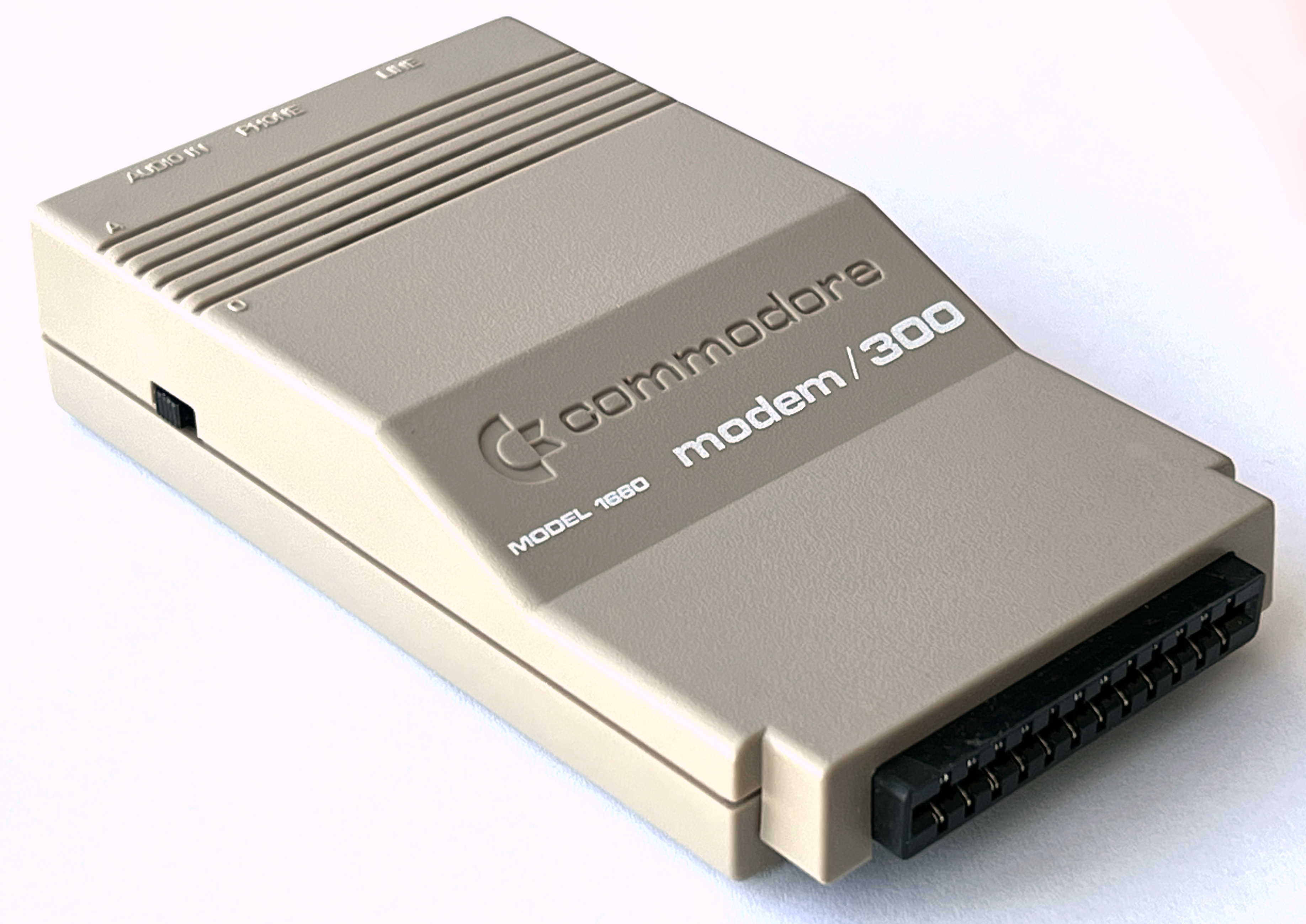
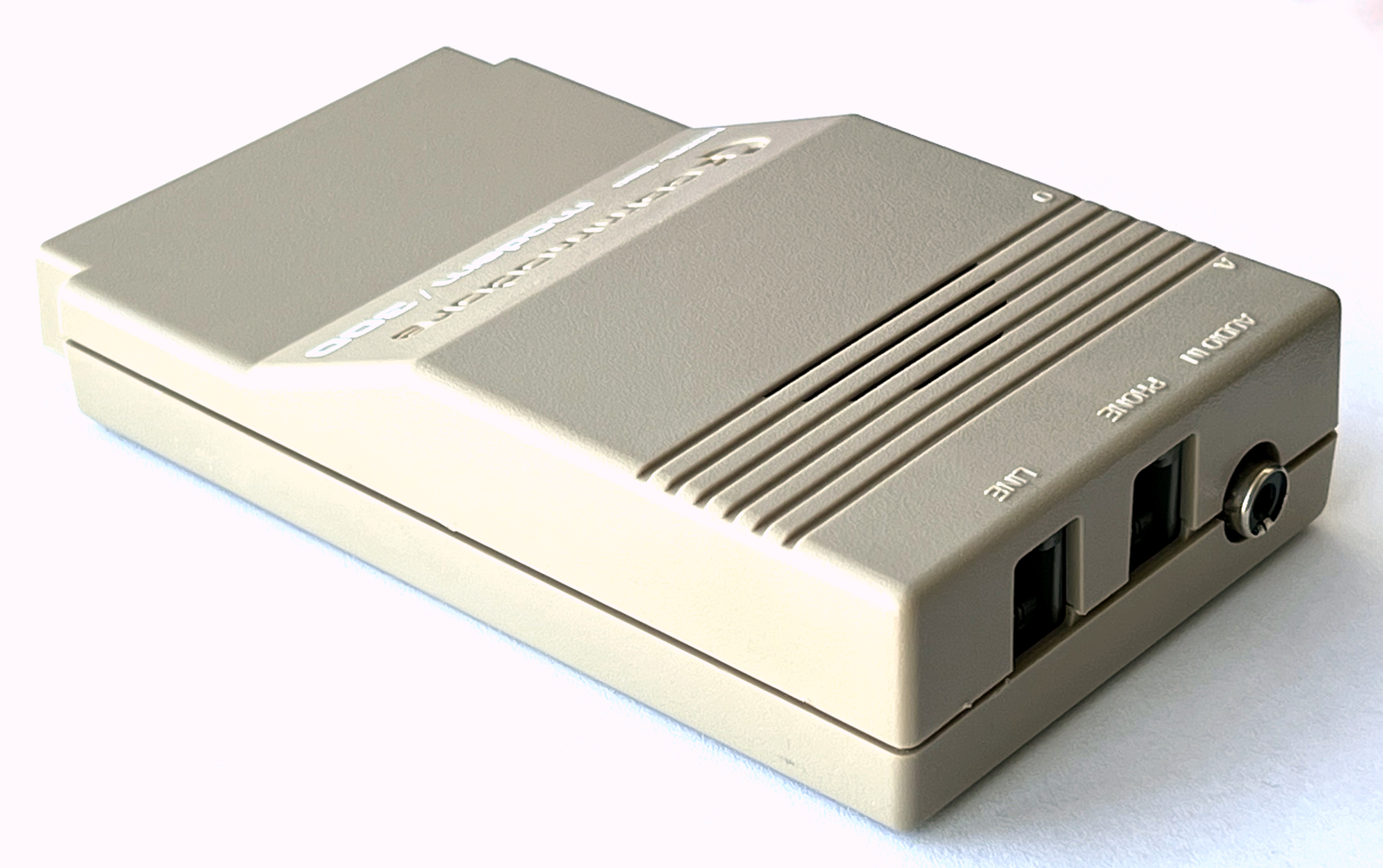
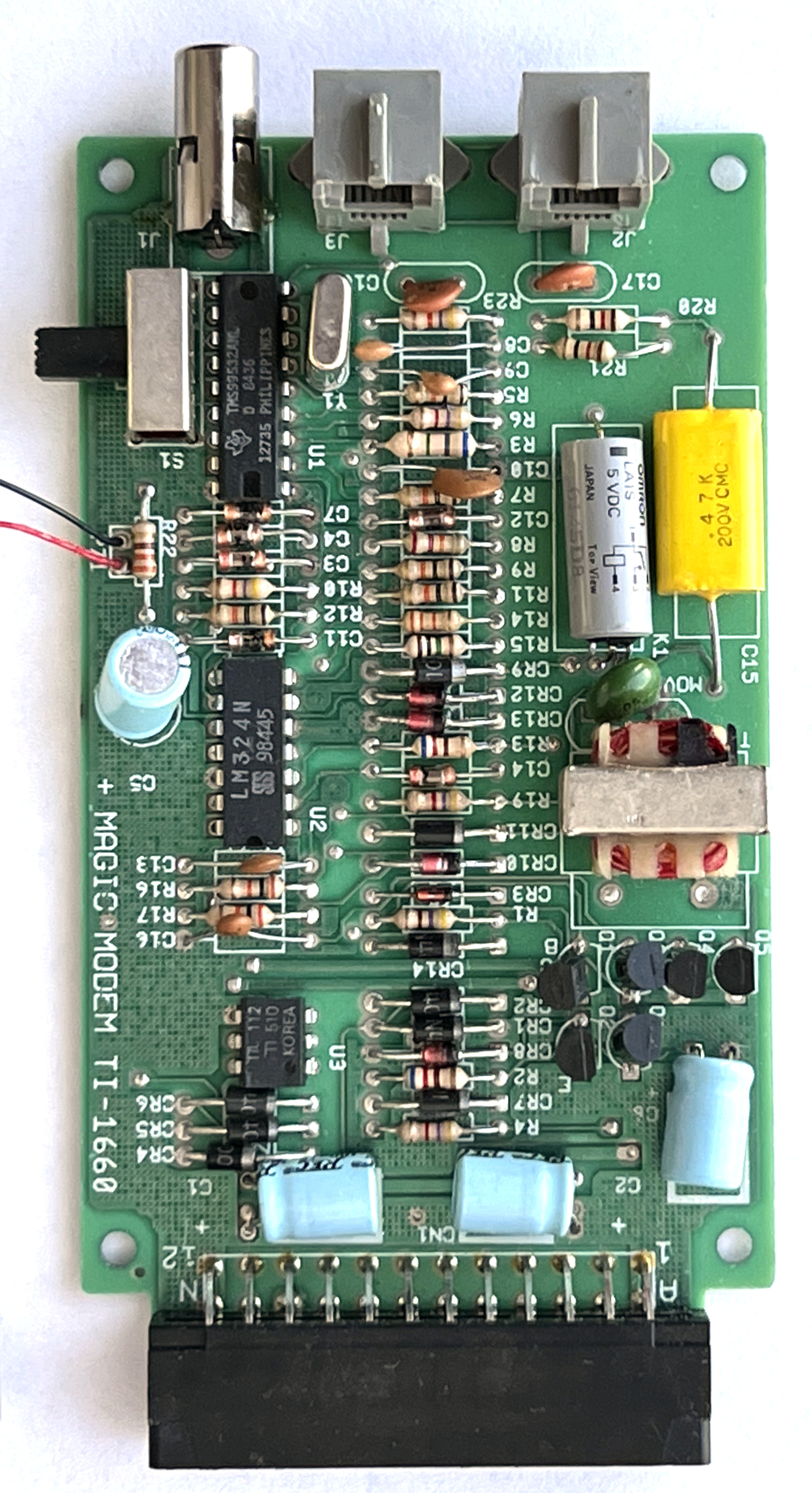
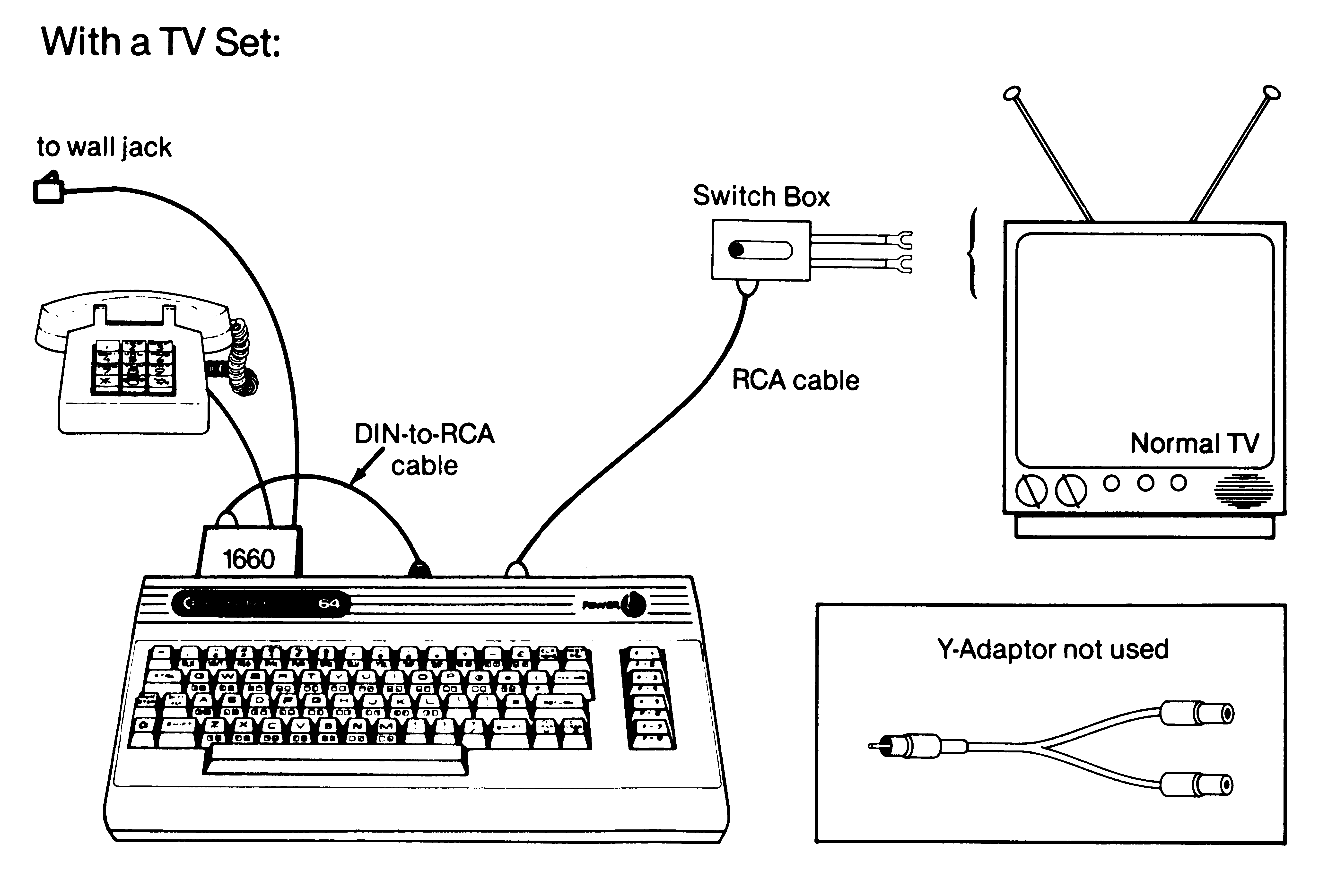
Commodore 1660 Modem
“The 1660 was Commodore’s first foray into the world of telecommunications, and it opened up a whole new dimension for our users. In an era before the internet as we know it, this 300 baud modem connected Commodore owners to bulletin board systems, online services, and each other. The acoustic coupler design meant you could use it with any phone, though the distinctive sound of a handset being squeezed into the rubber cups is something that dates it to a very specific time in computing history. For many users, the 1660 was their first experience with online communication, and it helped build the foundation for the connected world we live in today.” - Michael Tomczyk, Commodore Marketing Director
The Commodore 1660 was a 300 baud acoustic coupler modem introduced in 1983 for the VIC-20 and Commodore 64. As Commodore’s first modem, it featured an acoustic coupler design that allowed it to work with any standard telephone handset, making it versatile for home and portable use. The modem operated at 300 bits per second (baud) and was compatible with Bell 103 and CCITT V.21 standards. While primitive by today’s standards, the 1660 opened up the world of online communication to Commodore users, enabling access to bulletin board systems (BBS), online services like CompuServe, and direct computer-to-computer file transfers.
Technical Specifications
Technical Specifications
- Dimensions
- 18 × 13 × 8 cm (7 × 5 × 3 in)
- Weight
- 0.9 kg (2 lb)
- Power
- 9V DC, 300mA (external power supply)
Features and Capabilities
Hardware Design
- Case: Beige plastic, matches VIC-20/C64
- Display: LED indicators for power, carrier detect, and data
- Acoustic Coupler: Rubber cups for phone handset
- Cable: 6’ coiled cable to computer
- Power Supply: External 9V DC (center positive)
- Phone Compatibility: Standard rotary or touch-tone phones
Technical Specifications
- Transmission Speed: 300 baud (27.5 characters/second)
- Modulation: FSK (Frequency Shift Keying)
- Frequency Range: 300-3300 Hz
- Originate/Answer: Manual switch
- Command Set: Hayes-compatible
- Carrier Frequency: 1070 Hz (originate), 2025 Hz (answer)
LED Indicators
- PWR: Power on/off
- CD: Carrier detect (connected to remote modem)
- RD: Receive data (flashes when receiving)
- TD: Transmit data (flashes when sending)
Models and Variants
Commodore 1660 (1983-1985)
- Model Number: 1660
- Features: Beige case, acoustic coupler
- Compatibility: VIC-20, C64
- Known Issues: Acoustic coupling could be unreliable
Commodore 1662 (1984-1986)
- Improvements: Direct connect (no coupler)
- Changes: Added modular phone jack
- Compatibility: Same as 1660
Third-Party Modems
- VICMODEM: Direct-connect alternative
- SwiftLink: Faster cartridge modem
- Comet: 1200 baud upgrade
Usage and Setup
Basic AT Commands
ATZ      - Reset modem
ATDTxxxx - Tone dial number
ATDPxxxx - Pulse dial number
ATH      - Hang up
AT&F     - Factory reset
AT&W     - Save settings
ATI3     - Display firmware version
Terminal Program (BASIC)
10 REM SIMPLE TERMINAL PROGRAM
20 OPEN 2,2,3,CHR$(8): REM OPEN SERIAL
30 GET#2,A$: IF A$<>"" THEN PRINT A$;: REM RECEIVE
40 GET K$: IF K$<>"" THEN PRINT#2,K$;: REM SEND
50 GOTO 30
Common BBS Settings
- Baud Rate: 300
- Data Bits: 8
- Stop Bits: 1
- Parity: None
- Duplex: Full
- Echo: Off
Technical Details
Signal Characteristics
- Originate Mode:
- Mark: 1270 Hz
- Space: 1070 Hz
- Answer Mode:
- Mark: 2225 Hz
- Space: 2025 Hz
- Transmit Level: -9 dBm to -15 dBm
- Receive Sensitivity: -43 dBm to -48 dBm
Pinout (User Port)
1 - GND
2 - /RESET
3 - PB0 (Data In)
4 - PB1 (Data Out)
5 - PB2 (Ring Indicator)
6 - PB3 (Data Terminal Ready)
7 - PB4 (Request to Send)
8 - PB5 (Carrier Detect)
9 - PB6 (Clear to Send)
10 - PB7 (Ring Indicator)
11 - PA2 (User)
12 - PA3 (User)
13 - PA4 (User)
14 - PA5 (User)
15 - PA6 (User)
16 - PA7 (User)
17 - PA0 (User)
18 - PA1 (User)
19 - +5V
20 - +5V
21 - GND
22 - GND
Electrical Characteristics
- Power Supply: 9V DC, 300mA
- Current Draw: 100mA typical
- Operating Temperature: 0°C to 40°C
- Humidity: 20% to 80% non-condensing
Common Issues and Solutions
Common Problems
- No Carrier
- Check phone line connection
- Verify phone number
- Try different phone line
- Garbled Text
- Check baud rate settings
- Verify data bits/parity
- Try different phone line
- No Dial Tone
- Check phone line connection
- Verify phone is on hook
- Try different phone
- Poor Connection
- Clean acoustic coupler
- Ensure good handset seal
- Reduce background noise
Maintenance
- Monthly: Clean rubber cups
- As Needed: Check cable connections
- Storage: Keep in cool, dry place
- Power: Use correct power supply
Hacks and Modifications
Common Mods
- Direct Connect: Bypass acoustic coupler
- LED Mods: Add status indicators
- Baud Rate: Attempt overclocking
- Case Mods: Improve aesthetics
DIY Repairs
- Cable Replacement: Common failure point
- Power Supply: Check voltage/current
- Cleaning: Remove dust/debris
- Capacitor Replacement: In aging units
Legacy and Impact
Historical Significance
- First Commodore Modem: Paved the way
- BBS Revolution: Connected users
- Early Internet: Pre-Web connectivity
- Education: In schools/libraries
Collectibility
- Value: $50-$150 depending on condition
- Rare Variants: Early production models
- Mint Condition: Boxed units with manuals
- Restoration: Popular with collectors
Modern Alternatives
- WiFi Modems: For C64
- Lantronix UDS: Network solution
- Emulation: VICE, CCS64
- Telnet BBS: Modern access
Technical Documentation
AT Command Set
A - Answer call
D - Dial number
E - Echo on/off
H - Hook control
I - Identification
L - Speaker volume
M - Speaker control
O - Online mode
P - Pulse dial
T - Tone dial
V - Verbose responses
X - Extended result codes
Z - Reset modem
& - Extended commands
% - Auto-answer
\ - Line feed control
Sample Terminal Program
10 REM 1660 TERMINAL PROGRAM
20 OPEN 2,2,3,CHR$(8)+CHR$(0)
30 PRINT#2,"ATZ"
40 GET#2,A$:PRINT A$;:IF A$<>CHR$(13) THEN 40
50 GET K$:IF K$="" THEN 80
60 IF K$=CHR$(13) THEN PRINT#2,CHR$(13);:GOTO 80
70 PRINT#2,K$;:PRINT K$;
80 GET#2,A$:IF A$<>"" THEN PRINT A$;
90 GOTO 50
In Popular Culture
- Featured in 1980s computer magazines
- Appears in movies about early computing
- The subject of YouTube retro tech videos
- Referenced in BBS documentaries
Further Reading
About This Page
This page documents the technical specifications, operation, and legacy of the Commodore 1660 Modem. Information is based on official documentation, service manuals, and community knowledge.