Amiga 1000
Gallery
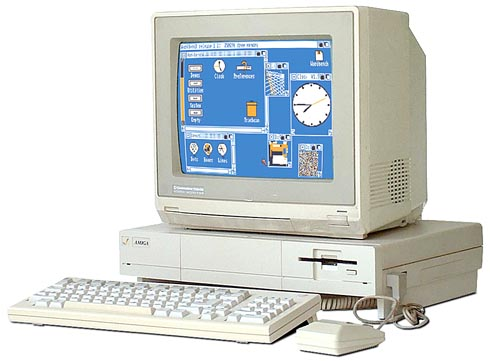
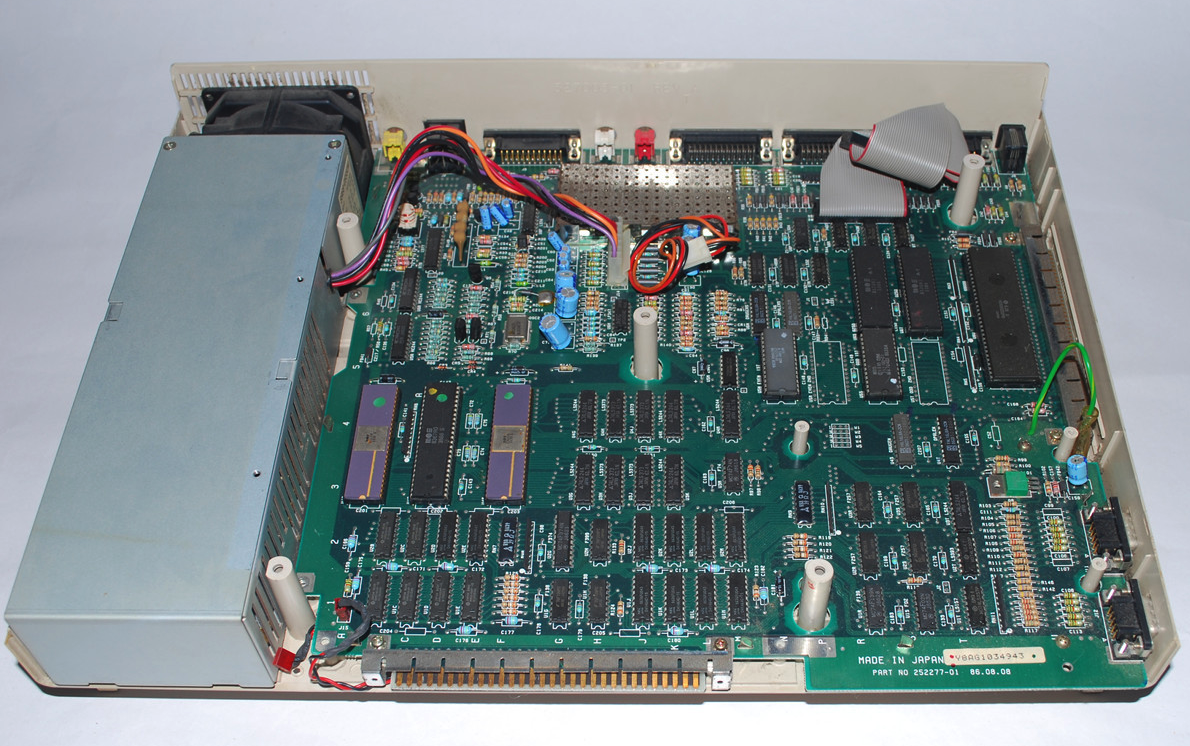
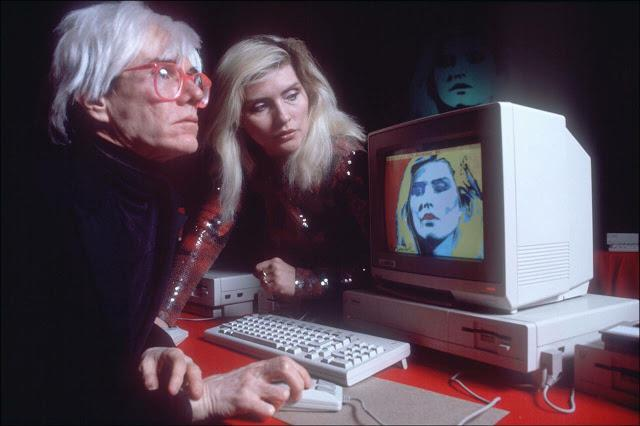
Amiga 1000 (A1000)
“The Amiga 1000 wasn’t just a computer—it was a revolution. When we first demonstrated its capabilities at the Lincoln Center in 1985, people couldn’t believe what they were seeing. Multitasking, stereo sound, and color graphics that put everything else to shame. It was like showing the future of computing, and in many ways, it was.” - Jay Miner, Father of the Amiga
The Amiga 1000 (A1000) was the first personal computer released by Amiga Corporation, later acquired by Commodore, on July 23, 1985. It was a groundbreaking machine that introduced many innovations to the home computer market, including advanced graphics and sound capabilities, preemptive multitasking, and a graphical user interface years before they became standard on other platforms. The A1000 was the result of years of development by a team of former Atari engineers who set out to create the most advanced personal computer of its time.
The Computer That Changed Everything
The Amiga 1000 was years ahead of its competition when it launched, featuring capabilities that wouldn’t become standard on other platforms for nearly a decade. Its custom chipset and operating system set new standards for multimedia computing that would define the Amiga line for years to come.
Key Features
- Motorola 68000 CPU: 7.16 MHz (NTSC) / 7.09 MHz (PAL)
- Custom Chipset: OCS (Original Chip Set) with dedicated coprocessors
- Graphics: 4096-color palette, 640×512 resolution
- Audio: 4-channel 8-bit stereo sound (PCM)
- OS: AmigaOS with preemptive multitasking
- Keyboard: Detachable full-travel with numeric keypad
- Mouse: Two-button optical mouse included
Technical Specifications
Technical Specifications
- CPU
- Motorola 68000 @ 7.16 MHz (NTSC) / 7.09 MHz (PAL)
- Memory
- 256 KB RAM (expandable to 8.5 MB), 256 KB ROM (Kickstart 1.0/1.1/1.2)
- Graphics
- OCS (Original Chip Set) - 640×512, 32 colors from 4,096 (HAM: 4,096 colors)
- Sound
- Paula - 4× 8-bit PCM channels, 28 kHz stereo
- Storage
- 3.5" DD floppy drive (880 KB), optional external hard drive
- Ports
- 2× mouse/joystick, parallel, serial, RGB, audio out, floppy, power
- Operating System
- AmigaOS 1.0 (Kickstart 1.0/1.1/1.2, Workbench 1.0/1.1/1.2)
Design and Features
Physical Design
- Case: Beige with distinctive front lip
- **Dimensions”: 14.5” × 9.5” × 5.3” (37 × 24 × 13.5 cm)
- **Weight”: 20 lbs (9.1 kg)
- **Keyboard”: Detachable 92-key with numeric keypad
- **Signatures”: Developer signatures inside case
Display
- **Output”: Analog RGB, composite, RF
- **Resolutions”:
- 320×200 to 640×400 (NTSC)
- 320×256 to 640×512 (PAL)
- **Colors”:
- 32 from 4,096 (6-bit)
- 4,096 (12-bit HAM)
- **Sprites”: 8 per line (up to 64 pixels wide)
Storage and I/O
- **Floppy Drive”: 3.5" DD (880 KB)
- **External Drives”: Via DB23 port
- **Expansion”: Sidecar expansion port
- **Keyboard Storage”: For mouse when not in use
The A1000 Experience
For Home Users
- **Gaming”: Arcade-quality graphics and sound
- **Multimedia”: Music and animation
- **Education”: Interactive learning
- **Creativity”: Art and music creation
For Professionals
- **Video Production”: Early genlock support
- **Graphic Design”: Advanced graphics tools
- **Programming”: C and assembly development
- **Desktop Publishing”: Early DTP capabilities
Operating System
- **AmigaOS”: Preemptive multitasking
- **Workbench 1.x”: GUI environment
- **CLI”: Command line interface
- **Kickstart”: ROM-based OS components
Technical Deep Dive
Custom Chipset
- **Agnus”: Graphics co-processor, memory controller
- **Denise”: Video display generator
- **Paula”: Audio and I/O controller
- **Copper”: Programmable video controller
- **Blitter”: Bit-block transfer processor
Graphics Capabilities
- **Display Modes”:
- 320×200/256 (Lores)
- 640×200/256 (Hires)
- 320×400/512 (Interlaced)
- **Color Modes”:
- 32 colors (6-bit)
- 64 colors (Extra Half-Brite)
- 4,096 colors (HAM)
- **Dual Playfield”: Two independent layers
- **Parallax Scrolling”: Smooth hardware scrolling
Audio System
- **4 Channels”: Independent 8-bit PCM
- **Sample Rate”: Up to 28 kHz
- **Waveforms”: Square, sawtooth, triangle, noise
- **Filtering”: Programmable audio filters
- **Stereo Output”: 2× RCA phono
The A1000 Legacy
Commercial Performance
- **Release”: July 23, 1985
- **Discontinuation”: 1987
- **Price”: $1,295 (without monitor)
- **Successor”: Amiga 500/2000
Why It Was Revolutionary
- **Multitasking”: Years ahead of competition
- **Graphics”: Unmatched color and resolution
- **Sound”: Professional-quality audio
- **Expandability”: Sidecar expansion system
Collector’s Item
- **Rarity”: Becoming increasingly rare
- **Price Range”: $500-$5,000+
- **Sought-After Items”:
- Boxed systems
- Developer-signed units
- Early Kickstart versions
- Original peripherals
Notable Software
Games
- **Marble Madness”: Arcade port
- **Defender of the Crown”: Showcase title
- **The Pawn”: Adventure
- **One on One”: Sports
- **Karateka”: Fighting
Applications
- **Deluxe Paint”: Graphics
- **Aegis Animator”: Animation
- **Textcraft”: Word processing
- **Lattice C”: Development
Demos
- **Boing Ball”: 3D demo
- “Juggler”: 3D animation
- “Moonshine”: Music demo
- “Sierra Demo”: Graphics demo
Technical Notes for Enthusiasts
Common Issues
- **Battery Leakage”: Clock battery
- **Capacitors”: May need replacement
- **Floppy Drive”: Belt replacement
- **Power Supply”: Capacitor failure
Restoration Tips
- **Recap Power Supply”: Replace capacitors
- **Clean Keyboard”: Remove keycaps
- **Battery Removal”: Prevent leakage
- **Case Restoration”: Retrobrighting
Modern Upgrades
- **Memory Expansions”: Up to 8.5 MB
- **CF/SD Storage”: Modern media
- **Accelerators”: 68010/68020 upgrades
- **Flicker Fixers”: VGA output
The A1000 Today
Emulation
- **WinUAE”: Most accurate
- **FS-UAE”: Cross-platform
- **Amiga Forever”: Commercial package
Community
- **Forums”: Amiga.org, EAB
- **User Groups”: Local meetups
- **Preservation”: Hardware/software
Uses
- **Retro Gaming”: Classic experience
- **Demoscene”: New productions
- “Education”: Computer history
- “Art”: Pixel art and music
Did You Know?
- The A1000’s case has developer signatures molded inside
- It was originally called the “Lorraine” during development
- The first 100 units had a special “First Edition” badge
- The A1000 was used to create the graphics for “The Last Starfighter”
- The original mouse had a hidden third button for developers
The A1000 in Popular Culture
- Featured in the movie “The Wizard” (1989)
- Appeared in the TV show “Murder, She Wrote”
- Mentioned in the book “Hackers: Heroes of the Computer Revolution”
- The subject of numerous YouTube retrospectives