Amiga 3000
Gallery
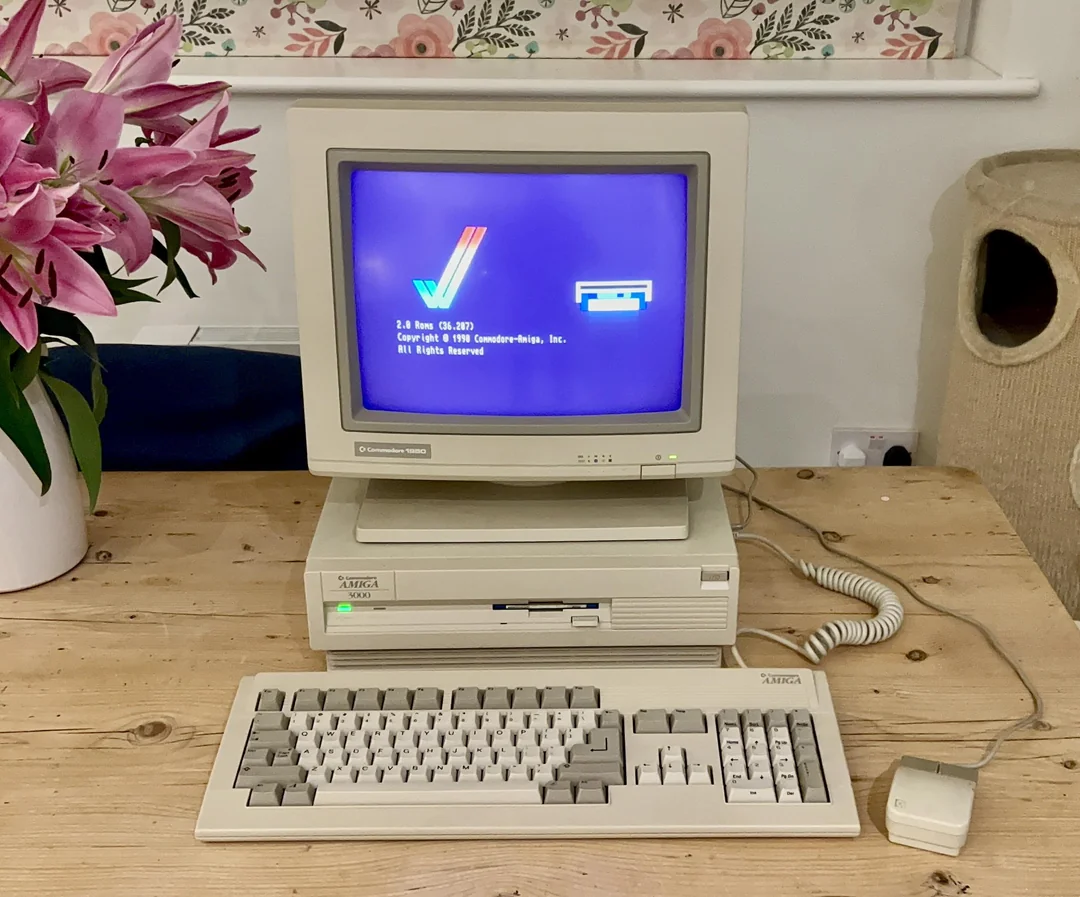
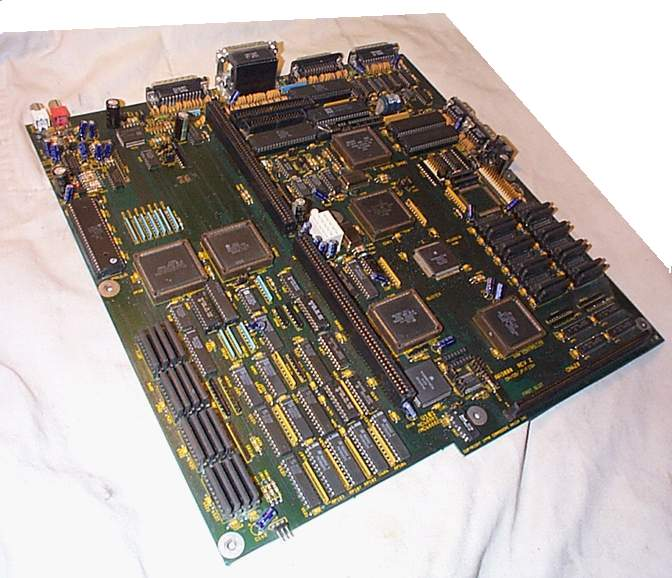
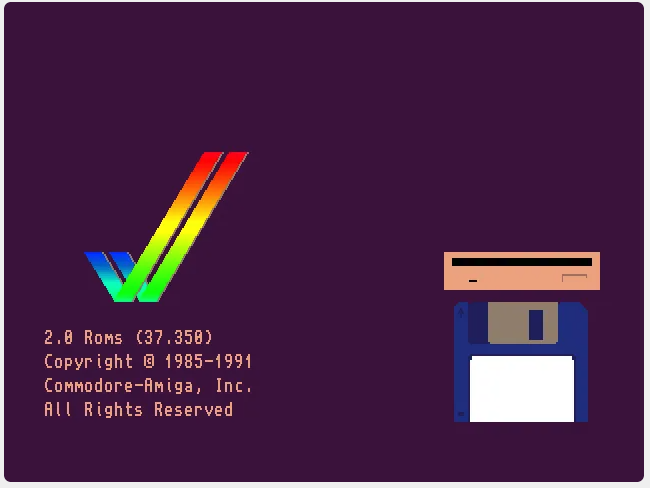
Amiga 3000 (A3000)
“The A3000 was our vision of the ultimate Amiga. It combined the power of the 68030 with the elegance of the Amiga chipset, all in a package that was both beautiful and functional. It was the first Amiga designed from the ground up as a professional workstation, and it showed in every detail.” - Dave Haynie, Commodore Engineer
The Amiga 3000 (A3000) was a high-end personal computer and workstation released by Commodore in June 1990. As the successor to the Amiga 2000, the A3000 was designed to compete in the professional workstation market, offering significant improvements in processing power, expandability, and build quality. It was the first Amiga to feature the Motorola 68030 processor and the enhanced Amiga Advanced Graphics Architecture (AGA) chipset, making it a favorite among video production studios, graphic designers, and serious computer enthusiasts.
The Professional’s Amiga
The A3000 represented Commodore’s most serious attempt yet to break into the professional computing market. With its sleek desktop case, integrated monitor stand, and advanced expansion capabilities, it was designed to appeal to business users and creative professionals who needed serious computing power.
Key Features
- Motorola 68030 CPU: 25 MHz with 68882 FPU
- AmigaOS 2.0: Enhanced operating system with Workbench 2.0
- Zorro III Bus: 32-bit expansion architecture
- SCSI-2 Interface: For fast storage devices
- Genlock Support: Professional video production
- Desktop Case: Integrated monitor stand and carrying handles
Technical Specifications
Technical Specifications
- CPU
- Motorola 68030 @ 25 MHz (68020 in early models)
- Memory
- 2 MB Chip RAM (expandable to 16 MB), 1 MB ROM
- Graphics
- ECS (Enhanced Chip Set) - 640×512, 16 colors from 4096 (HAM8: 262,144 colors)
- Sound
- Paula - 4× 8-bit PCM channels, 28 kHz stereo
- Storage
- 50 MB SCSI-2 hard drive, 3.5" floppy drive (880KB)
- Ports
- SCSI-2, SCSI-1, 2× RS-232, RS-422, Centronics, 2× mouse/joystick, audio in/out, video out
- Operating System
- AmigaOS 2.0 (Kickstart 2.0/Workbench 2.0)
Design and Features
Case Design
- Form Factor: Desktop with integrated monitor stand
- Dimensions: 48.3 × 37.5 × 14.6 cm (19 × 14.75 × 5.75 in)
- Weight: 15.4 kg (34 lb)
- Color: Light gray with dark gray accents
- Carrying Handles: Built into the sides
Expansion
- Zorro III Slots: 4× 32-bit expansion slots
- Processor Slot: For CPU upgrades
- Video Slot: For graphics cards
- Memory Slots: 4× 30-pin SIMM slots (up to 16 MB)
- Internal Bays: 1× 5.25” and 2× 3.5” drive bays
Storage
- Hard Drive: 50 MB SCSI-2 (upgradeable)
- Floppy Drive: 3.5” DD (880 KB)
- External SCSI: For additional drives
- Tape Backup: Optional SCSI tape drive
The A3000 Experience
For Professionals
- Video Production: Genlock and video toaster support
- Graphic Design: High-resolution displays
- Desktop Publishing: Professional DTP software
- Software Development: C compiler and development tools
For Enthusiasts
- Gaming: With enhanced performance
- Demo Scene: Popular for demos
- Upgradability: Extensive expansion options
- Collectibility: Sought-after classic
Operating System
- Workbench 2.0: Improved GUI
- AROS: Modern open-source alternative
- NetBSD: Unix-like operating system
Technical Deep Dive
CPU and Memory
- 68030 Processor: 25 MHz with MMU
- 68882 FPU: Math coprocessor
- Cache: 32 KB write-back cache
- Memory Bus: 32-bit, 25 MHz
- Fast RAM: Up to 16 MB
- Chip RAM: 2 MB (upgradeable)
Graphics System
- Chipset: Enhanced Chip Set (ECS)
- Resolutions:
- 320×200 to 1280×512 (interlaced)
- 640×400 to 1280×512 (productivity)
- Colors:
- 16 colors from 4096 (standard)
- 64 colors (Extra Half-Brite)
- 262,144 colors (HAM8)
- Copper: Programmable video controller
- Blitter: Fast graphics operations
Audio System
- Paula Chip: 4× 8-bit PCM channels
- Sample Rate: Up to 28 kHz
- Stereo Output: 2× RCA phono
- Input: Stereo audio in
- Filtering: Programmable audio filters
The A3000 Legacy
Commercial Performance
- Release: June 1990
- Discontinuation: 1992
- Price: $3,399 (without monitor)
- Successor: Amiga 4000
Why It Succeeded
- Professional Build: High-quality components
- Expandability: Zorro III bus
- Performance: Fastest Amiga of its time
- Software: Professional applications
Collector’s Item
- Rarity: Becoming increasingly rare
- Price Range: $500-$5,000+
- Sought-After Items:
- Boxed systems
- Original monitors
- Accelerator cards
- Documentation
Notable Software
Professional
- LightWave 3D: 3D rendering
- Video Toaster: Video production
- Deluxe Paint IV: Graphics
- PageStream: Desktop publishing
- AMOS Professional: Programming
Games
- Frontier: Elite II: Space simulator
- Lemmings: Puzzle
- The Settlers: Strategy
- Wing Commander: Space combat
Demos
- 9 Fingers: By Spaceballs
- State of the Art: By Spaceballs
- Hardwired: By Crionics & The Silents
Technical Notes for Enthusiasts
Common Issues
- Battery Leakage: Damages motherboard
- Capacitors: May need replacement
- SCSI Termination: Can cause issues
- Floppy Drive: May need cleaning
Restoration Tips
- Recap Power Supply: Replace old capacitors
- Clean Contacts: On expansion cards
- Battery Removal: Prevent leakage
- Case Retrobrighting: Restore yellowed plastic
Modern Upgrades
- CPU Accelerators: 68040/68060 upgrades
- Graphics Cards: Picasso II/IV
- Memory: SIMM to DIMM adapters
- Storage: SCSI to SD/CF adapters
- Networking: Ethernet cards
The A3000 Today
Emulation
- WinUAE: Most accurate emulation
- FS-UAE: Cross-platform
- Amiga Forever: Commercial package
Community
- Forums: Amiga.org, English Amiga Board
- User Groups: Local meetups
- Preservation: Hardware and software
Uses
- Retro Computing: Classic Amiga experience
- Art: Demoscene productions
- Education: Computer history
- Music: Tracker music
Did You Know?
- The A3000 was used to create special effects for “Babylon 5”
- Some A3000s were used in television studios for character generation
- The A3000’s case was designed by design firm IDEO
- A rare A3000T (tower) version was produced in limited quantities
- The A3000 was used by NASA for visualization
The A3000 in Popular Culture
- Featured in the movie “The Lawnmower Man”
- Appeared in the TV show “Max Headroom”
- Mentioned in the book “Commodore: A Company on the Edge”
- The subject of YouTube restoration videos