Amiga 600
Gallery
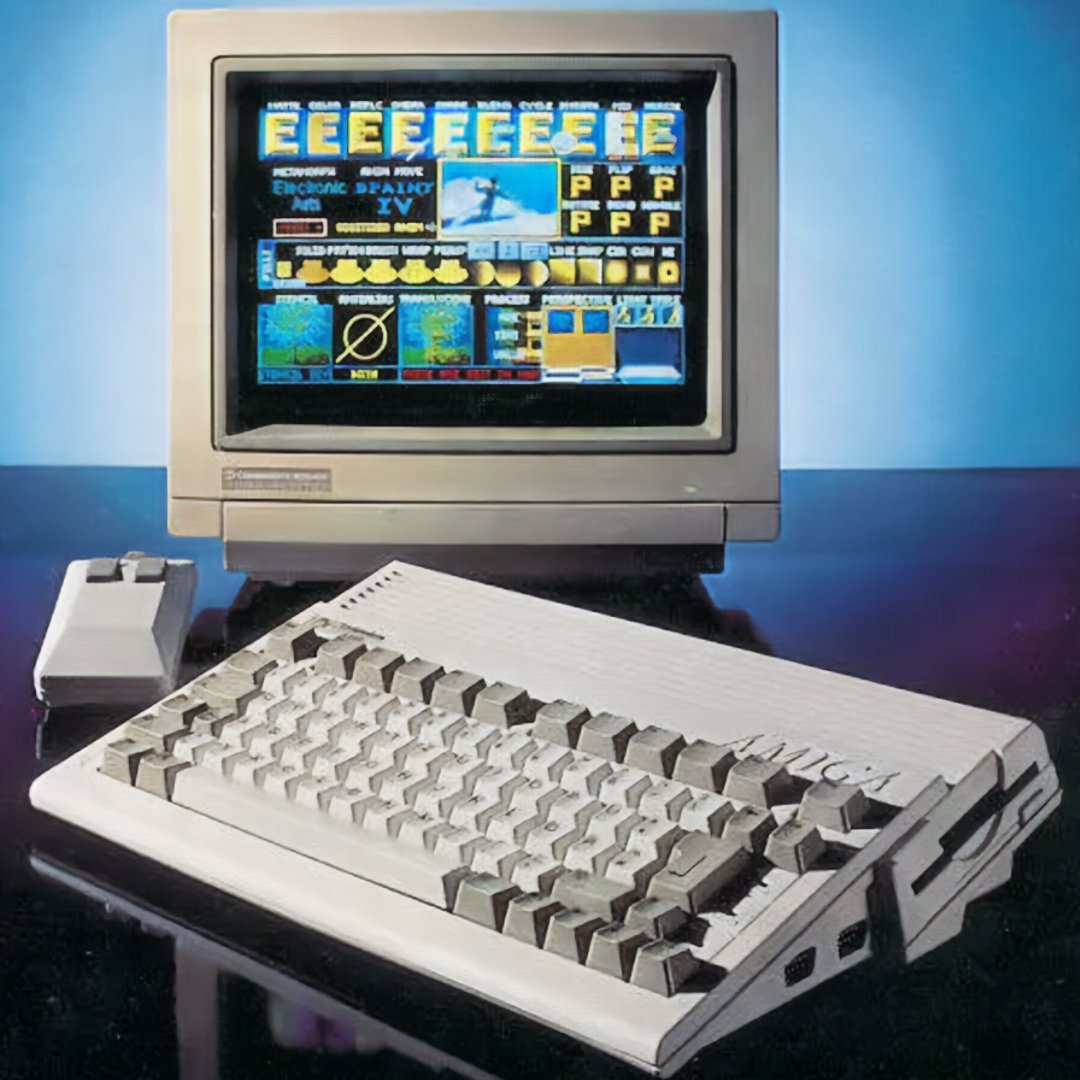
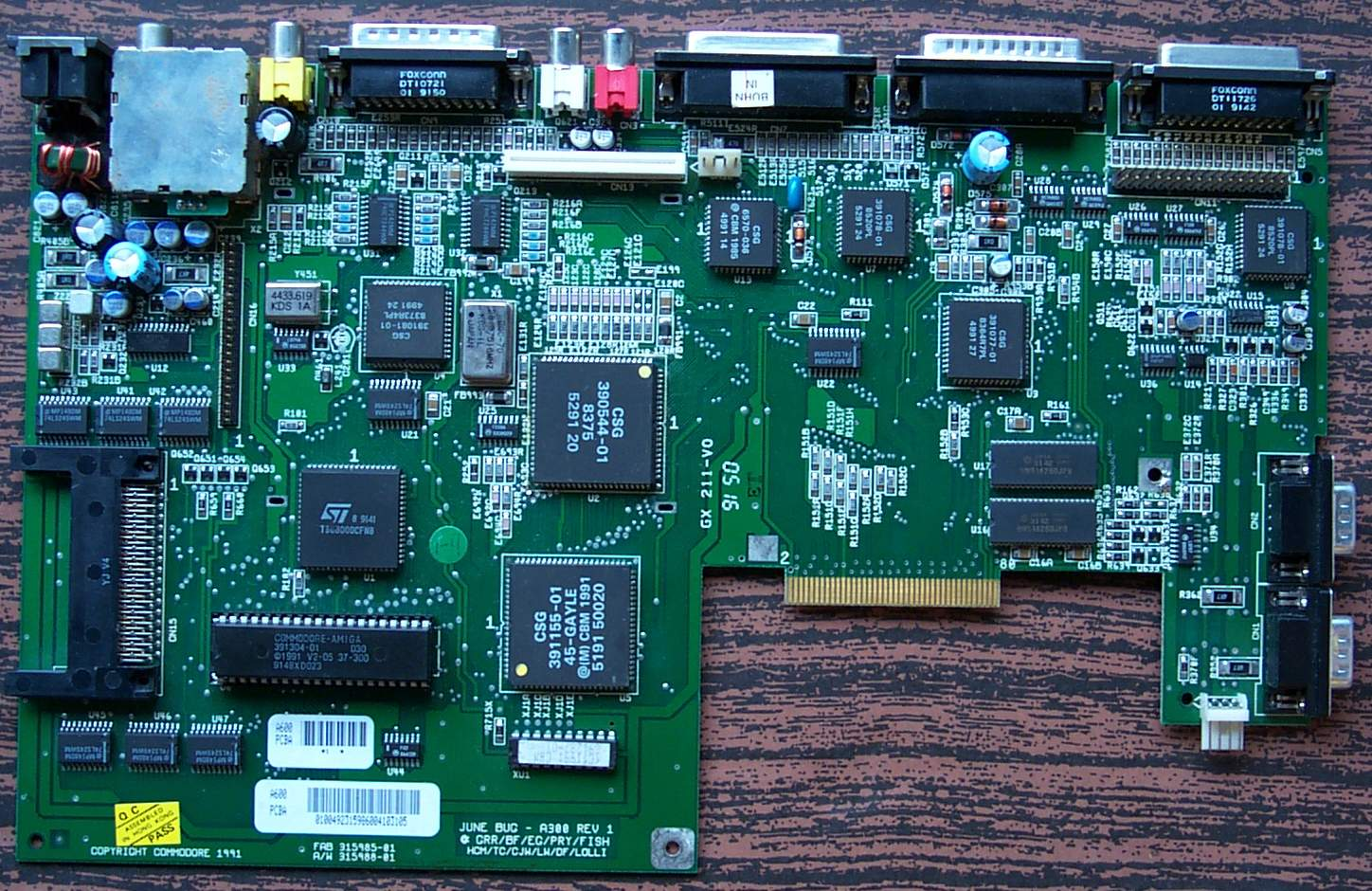
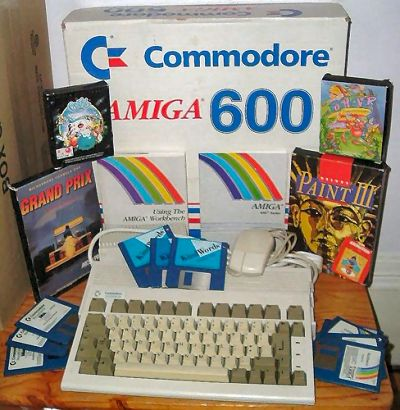
Amiga 600 (A600)
“The A600 was our attempt to create a more affordable, living room-friendly Amiga. It was smaller, quieter, and more energy-efficient than the A500, with the same great Amiga experience. While it was criticized at launch for not being powerful enough, it found its niche as an affordable entry point into the Amiga world and has since become a beloved classic.” - Dave Haynie, Commodore Engineer
The Amiga 600 (A600) was a home computer released by Commodore in March 1992. Positioned as the successor to the popular Amiga 500+, the A600 was designed to be a more compact and cost-effective alternative to the more powerful Amiga 1200. Despite its small size, it featured the same advanced ECS chipset as the A500+ and introduced several improvements, including an internal 2.5” IDE hard drive option and a built-in PCMCIA port. While initially met with mixed reviews due to its perceived lack of power compared to competing systems, the A600 has since gained a cult following among retro computing enthusiasts.
The Compact Amiga
The A600 was Commodore’s response to the need for a more affordable and living room-friendly Amiga. It was the smallest Amiga model ever produced, with a design that emphasized portability and ease of use while maintaining compatibility with most Amiga 500 software.
Key Features
- Motorola 68000 CPU: 7.14 MHz (PAL) / 7.09 MHz (NTSC)
- Enhanced Chip Set (ECS): Improved graphics and sound capabilities
- Built-in IDE Interface: For internal 2.5” hard drives
- PCMCIA Type II Slot: For expansion and storage
- Compact Design: 30% smaller than the A500
- Kickstart 2.05: Later models shipped with 3.1
Technical Specifications
Technical Specifications
- CPU
- Motorola 68000 @ 7.14 MHz (PAL) / 7.09 MHz (NTSC)
- Memory
- 1 MB Chip RAM (expandable to 2 MB), 512 KB ROM (Kickstart 2.05/3.1)
- Graphics
- ECS (Enhanced Chip Set) - 640×512, 32 colors from 64 (HAM: 4,096 colors)
- Sound
- Paula - 4× 8-bit PCM channels, 28 kHz stereo
- Storage
- 3.5" DD floppy drive (880 KB), optional 20-120 MB IDE hard drive
- Ports
- 2× mouse/joystick, composite/RGB video, audio out, PCMCIA Type II, floppy, expansion
- Operating System
- AmigaOS 2.04/2.05 (Kickstart 2.04/2.05), 3.1 with upgrade
Design and Features
Physical Design
- Case: Sleek, wedge-shaped design
- **Dimensions”: 35.8 × 24.2 × 6.8 cm (14.1 × 9.5 × 2.7 in)
- **Weight”: 2.7 kg (6.0 lb)
- **Keyboard”: Full-travel 82-key with numeric keypad
- **Color”: Beige (standard), various limited editions
Expansion
- **PCMCIA Type II Slot”: For memory cards and network adapters
- **Trapdoor Expansion”: For memory upgrades
- **Video Output”: RGB, composite, and RF
- **Audio Output”: Stereo RCA
Storage
- **Floppy Drive”: 3.5" DD (880 KB)
- **Hard Drive”: Optional 2.5" IDE (20-120 MB)
- **External Drives”: Via DB23 port
The A600 Experience
For Home Users
- **Gaming”: Thousands of Amiga titles
- **Multimedia”: Music and graphics creation
- **Education”: Learning software
- **Productivity”: Word processing and spreadsheets
For Enthusiasts
- **Upgrading”: CPU and memory expansions
- **Collecting”: Limited edition models
- **Modding”: Case modifications
- **Preservation”: Software archiving
Operating System
- **Workbench 2.04/2.05”: Standard GUI
- **Kickstart 3.1”: With ROM upgrade
- **AROS”: Modern open-source alternative
Technical Deep Dive
CPU and Memory
- **68000 Processor”: 16/32-bit CISC
- **Clock Speed”: 7.14/7.09 MHz
- **Chip RAM”: 1 MB (upgradeable to 2 MB)
- **Fast RAM”: Via PCMCIA or expansion
- **ROM”: 512 KB (Kickstart 2.05/3.1)
Graphics System
- **Chipset”: Enhanced Chip Set (ECS)
- **Resolutions”:
- 320×200 to 640×512 (interlaced)
- 640×200 to 1280×512 (productivity)
- **Colors”:
- 32 from 64 (6-bit)
- 4,096 (12-bit HAM)
- **Sprite Support”: 8 sprites per line
- **Copper”: Programmable video controller
Audio System
- **Paula Chip”: 4× 8-bit PCM channels
- **Sample Rate”: Up to 28 kHz
- **Stereo Output”: 2× RCA phono
- **Filtering”: Programmable audio filters
The A600 Legacy
Commercial Performance
- **Release”: March 1992
- **Discontinuation”: 1994
- **Price”: $499 (without monitor)
- **Successor”: Amiga 1200
Why It Succeeded
- **Affordability”: Lower price point
- **Compact Size”: Living room friendly
- **Compatibility”: Most A500 software
- **Upgradability”: PCMCIA and IDE
Collector’s Item
- **Rarity”: Common but collectible
- **Price Range”: $100-$500+
- **Sought-After Items”:
- Boxed systems
- Limited editions
- Hard drive models
- Upgraded units
Notable Software
Games
- **Lemmings”: Puzzle
- **The Secret of Monkey Island”: Adventure
- **Sensible Soccer”: Sports
- **Cannon Fodder”: Strategy
- **Worms”: Turn-based strategy
Applications
- **Deluxe Paint IV”: Graphics
- **ProTracker”: Music
- **OctaMED”: Music
- **Wordworth”: Word processing
Demos
- **Desert Dream”: By Kefrens
- **State of the Art”: By Spaceballs
- **Hardwired”: By Crionics & The Silents
Technical Notes for Enthusiasts
Common Issues
- **Keyboard Issues”: Membrane problems
- **Capacitors”: May need replacement
- **PCMCIA Slot”: Power limitations
- **Floppy Drive”: May need cleaning
Restoration Tips
- **Recap Motherboard”: Replace old capacitors
- **Clean Keyboard”: Remove keycaps and clean
- **PCMCIA Mods”: Power improvements
- **Case Restoration”: Retrobrighting
Modern Upgrades
- **CPU Accelerators”: 68020/68030 upgrades
- **Memory Expansions”: Up to 10 MB
- **Storage”: CF/SD card adapters
- **Networking”: PCMCIA Ethernet
- **RTG”: Indivision ECS
The A600 Today
Emulation
- **WinUAE”: Most accurate emulation
- **FS-UAE”: Cross-platform
- **Amiga Forever”: Commercial package
Community
- **Forums”: Amiga.org, English Amiga Board
- **User Groups”: Local meetups
- **Preservation”: Hardware and software
Uses
- **Retro Gaming”: Classic Amiga experience
- **Music”: Tracker music
- **Art”: Pixel art and demos
- **Education”: Computer history
Did You Know?
- The A600 was codenamed “June Bug” during development
- It was the first Amiga with an IDE interface
- Some A600s were used in arcade machines
- The A600 was popular in Europe for budget gaming
- A rare A600HD model included a built-in hard drive
The A600 in Popular Culture
- Featured in the movie “Hackers” (1995)
- Appeared in the TV show “The IT Crowd”
- Mentioned in the book “Commodore: A Company on the Edge”
- The subject of YouTube restoration videos