Commodore 16
Gallery
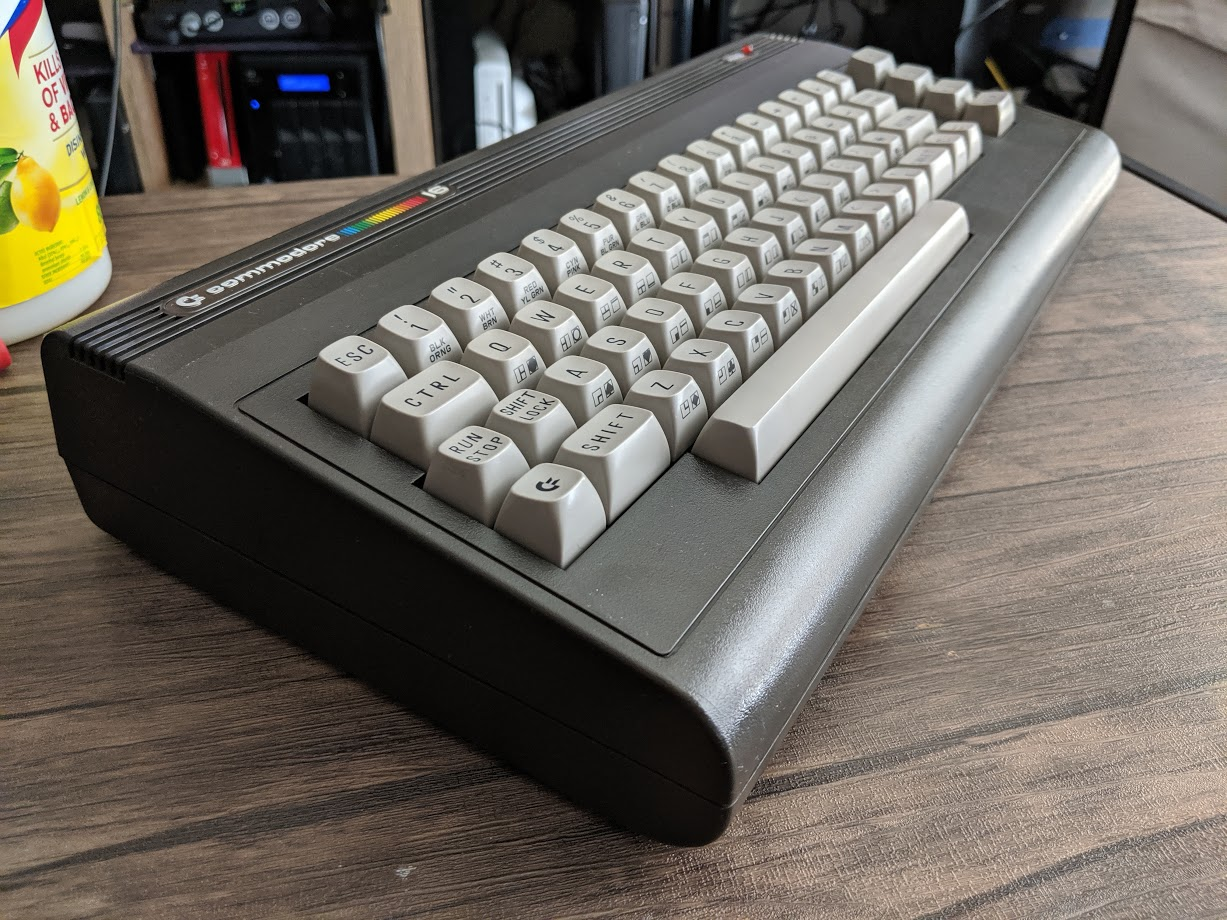
Commodore 16
“The C16 was supposed to be the VIC-20’s successor, but it arrived too late to the party. Still, its low price and solid BASIC made it a hit in Eastern Europe and South America, where it developed a cult following that continues to this day.” - Bil Herd, Commodore Engineer
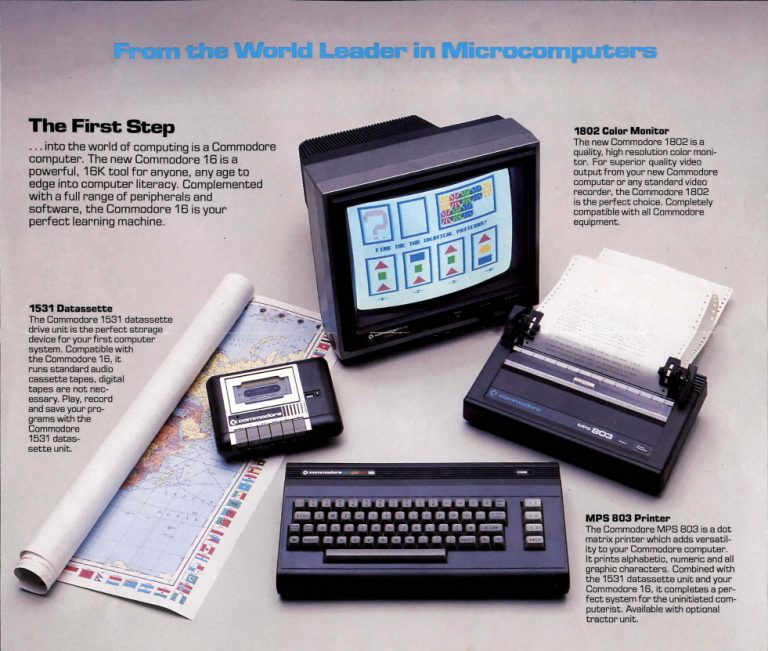
The Commodore 16 (C16) was an 8-bit home computer released by Commodore in 1984 as an intended successor to the VIC-20. Positioned as an entry-level machine below the C64, it was part of Commodore’s strategy to compete with sub-$100 computers like the Timex Sinclair 1000. Despite its commercial struggles in North America, the C16 found success in European and South American markets.
The TED Series: A New Generation
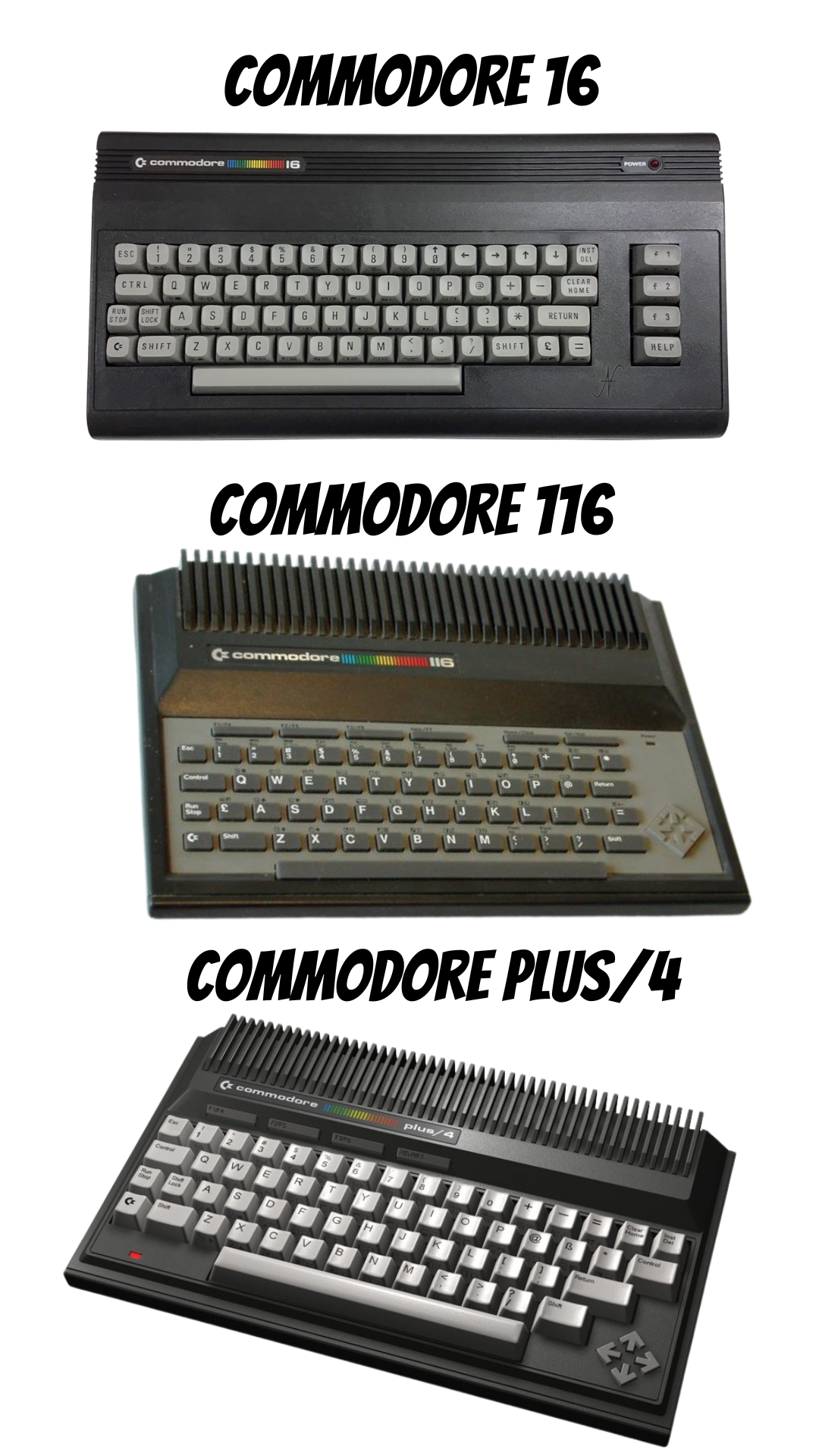
The C16 was part of Commodore’s TED (Text Editing Device) series, which also included the more advanced Plus/4 and the European-only 116. These machines were built around the MOS Technology 7501/8501 CPU and featured the TED chip, which combined video, sound, and I/O functions.
Why the C16 Matters
- Affordability: Priced at under $100, it was one of the cheapest computers available
- Improved BASIC: Featured Commodore BASIC 3.5, a significant upgrade from the VIC-20’s BASIC 2.0
- Better Graphics: 121 colors compared to the VIC-20’s 16
- More Memory: 16KB RAM (expandable to 64KB) vs. the VIC-20’s 5KB
Technical Specifications
Technical Specifications
- CPU
- MOS 7501/8501 @ 0.89/1.76 MHz (PAL/NTSC)
- Memory
- 16 KB RAM (expandable to 64 KB) + 20 KB ROM
- Graphics
- TED (264 series) - 160×200, 121 colors, 8 sprites, smooth scrolling
- Sound
- TED - 2 channels, 4 octaves, noise generator
- Storage
- Commodore 1531 Datasette, 1551 Floppy Drive (rare)
- Ports
- Cartridge, tape, serial, TV/RF, 2× joystick, power
- Operating System
- Commodore BASIC 3.5
Features and Capabilities
Graphics
- Resolution: 160×200 pixels (40×25 text)
- Colors: 121 colors (16 base colors × 8 luminance levels + 8 grays + 1 transparent)
- Sprites: 8 single-color sprites (16×16 pixels)
- Character Modes: Standard, multicolor, and extended color modes
Sound
- Channels: 2 square wave channels
- Range: 4 octaves
- Noise Generator: For sound effects
- Volume Control: 8 levels
Expansion
- Cartridge Port: For games and expansions
- User Port: For peripherals
- Memory Expansion: Up to 48KB via cartridge
The C16 Experience
For Beginners
- Built-in Help: Accessible with the HELP key
- Tutorials: Included in the manual
- Simple Programming: Easy-to-learn BASIC commands
For Programmers
- BASIC 3.5: Added commands for sound and graphics
- Machine Language: Full access to hardware
- PEEK/POKE: Direct memory access
For Gamers
- Colorful Graphics: 121 colors
- Smooth Scrolling: For arcade-style games
- Joystick Support: Two controller ports
The C16 Family
Commodore 116
- European variant with calculator-style keyboard
- Same specifications as C16
- Less common than the C16
Commodore Plus/4
- Big brother to the C16
- 64KB RAM
- Built-in software
- More powerful TED chip
The C16 Legacy
Commercial Performance
- North America: Struggled against the C64
- Europe: More successful, especially in Eastern Europe
- South America: Became popular due to low cost
Why It Failed in the US
- Poor Timing: Released after the C64 was established
- Limited Software: Fewer games than VIC-20 or C64
- Confusing Marketing: Positioned between VIC-20 and C64
Cult Following
- Demoscene: Active C16 demo scene
- Homebrew: New games and software
- Preservation: Emulation and documentation
Notable Software
Games
- Zenji: Puzzle game
- Alleykat: Scrolling shooter
- International Soccer: Sports game
- Blue Star: Platformer
Applications
- SpeedScript 3.5: Word processor
- Superbase: Database
- VizaWrite: Word processor
Technical Notes
Hardware Revisions
- Original C16 (1984): First release
- C16-II (1985): Minor revisions
- C116 (1984): European variant
Common Issues
- Power Supply: Original PSUs can fail
- TED Chip: Can overheat
- Keyboard: Membrane issues
Modern Upgrades
- RAM Expansions: Up to 64KB
- Storage: SD card solutions
- Video: RGB and HDMI mods
The C16 Today
Emulation
- VICE: Full C16 emulation
- MAME: Arcade emulation
- FPGA: Hardware-accurate recreations
Collecting
- Rarity: Common in Europe
- Price: $50-$200 depending on condition
- Desirability: Growing among collectors
Community
- Forums: Active discussions
- Events: Retro computing meetups
- Development: New software and hardware
Did You Know?
- The C16 was originally going to be called the VIC-40
- It was the last Commodore computer to use the VIC-20/C64 style case
- Some C16s were sold in Brazil with the TED chip running at 2MHz
- The C16’s BASIC 3.5 included commands for sound and graphics that the C64 lacked
The C16 in Popular Culture
- Featured in the Hungarian film “Kojak Budapesten” (1988)
- Appeared in several Eastern European TV shows and movies
- Referenced in the book “Commodork: Sordid Tales from a BBS Junkie” by Rob O’Hara