Commodore 64G
Gallery
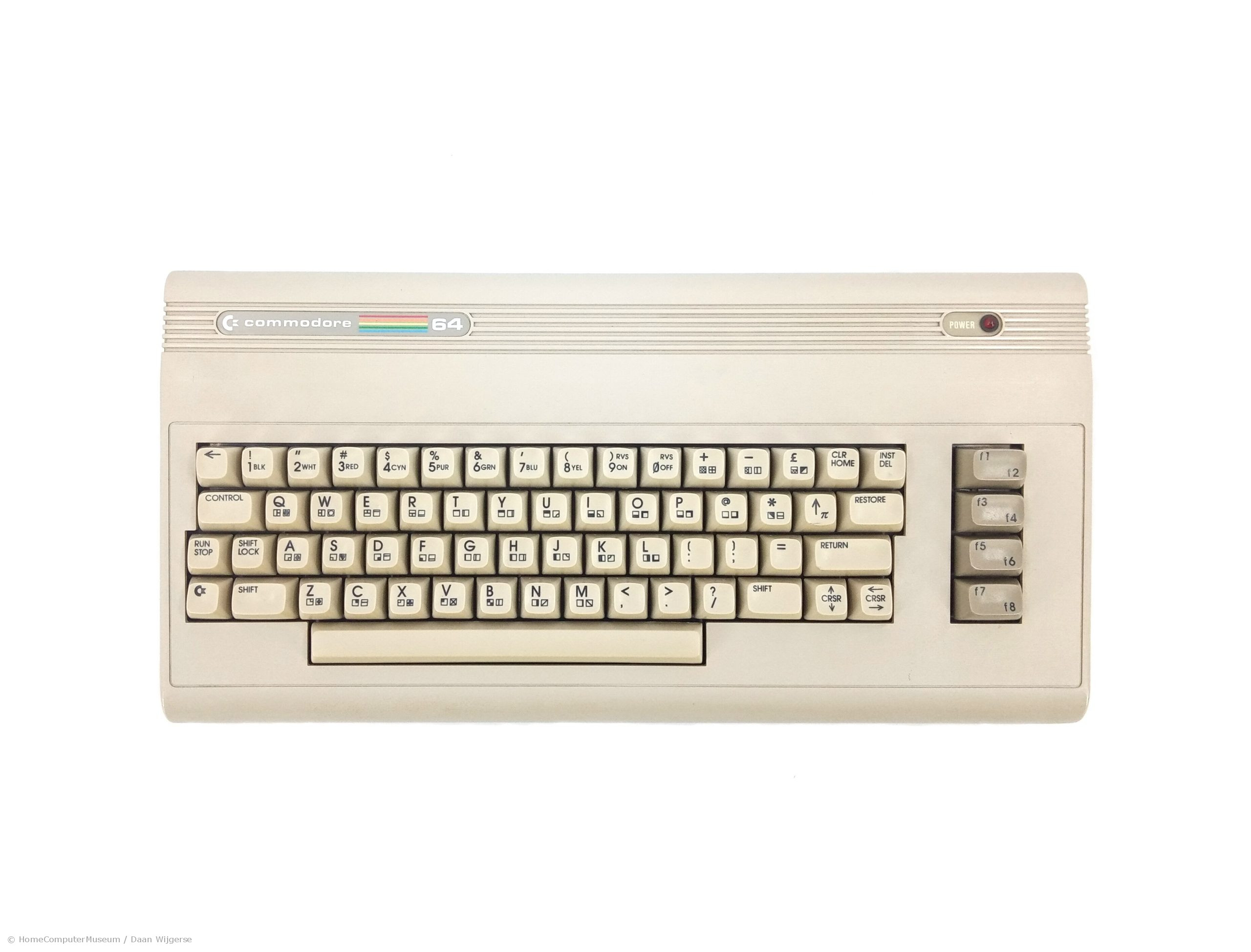
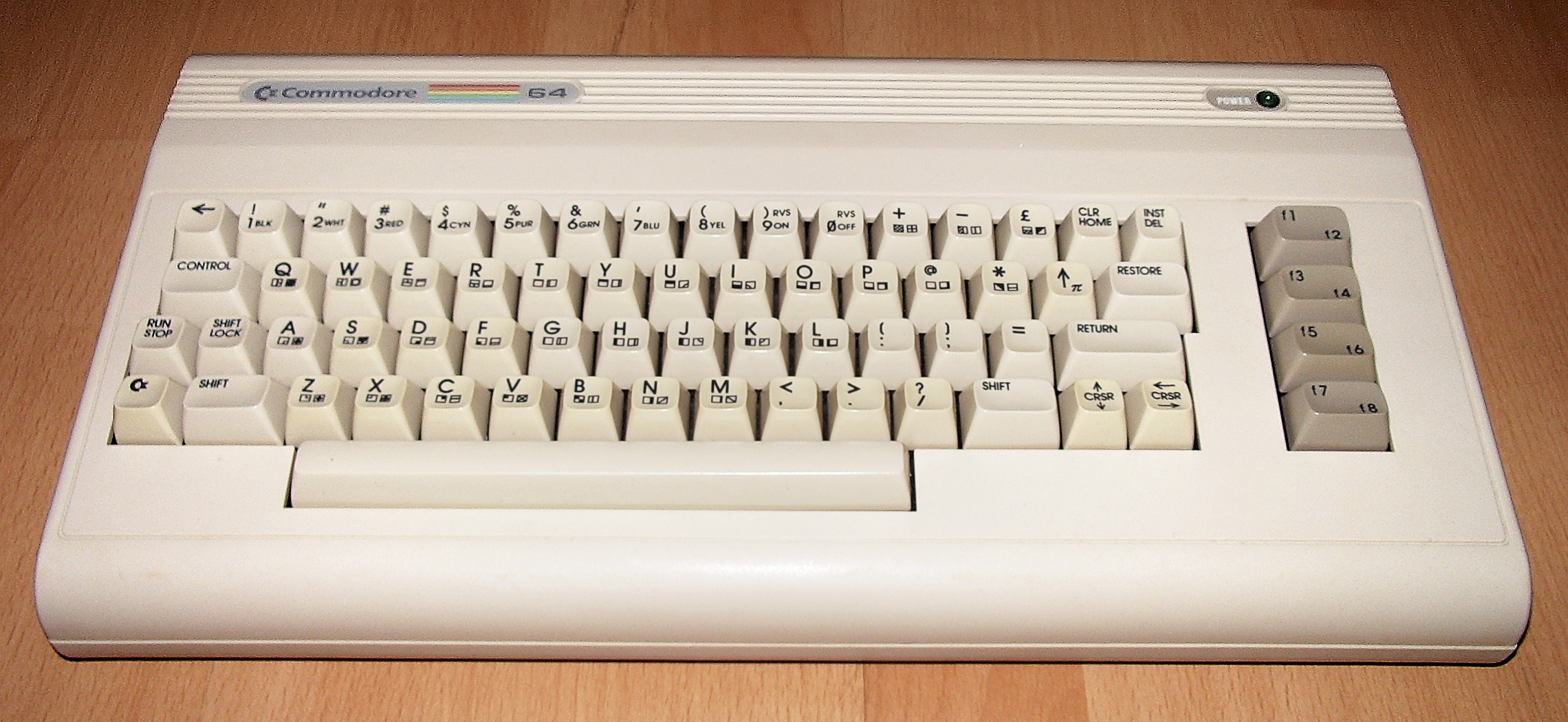
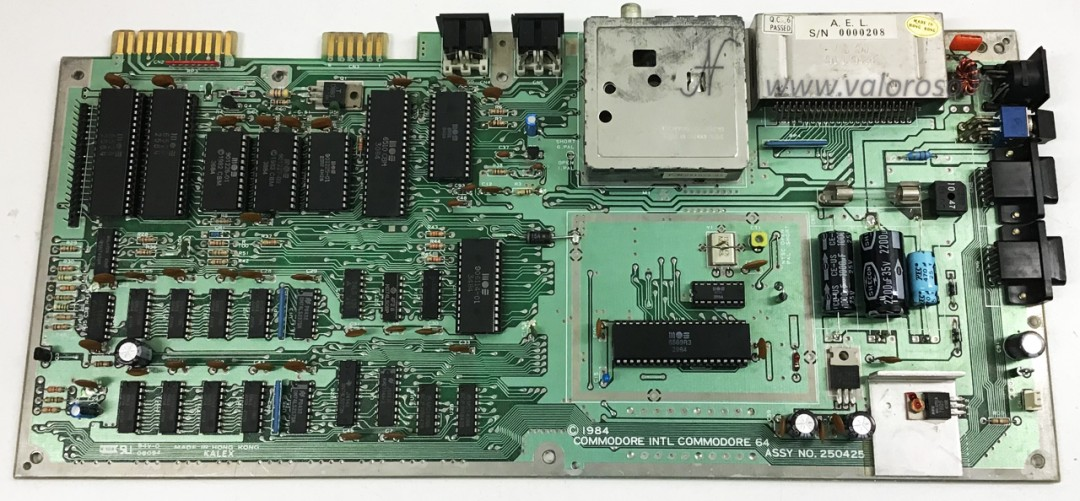
Commodore 64G (German Model)
“The C64G was our solution for the German market, where we needed to comply with strict regulations and cater to local preferences. The German QWERTZ keyboard layout and the improved power supply were specifically designed to meet these needs. While it was essentially the same great C64 under the hood, these regional adaptations made it more appealing to German users and helped us maintain our strong position in that market.” - Bil Herd, Commodore Engineer
The Commodore 64G (where “G” stood for Germany) was a variant of the popular Commodore 64 home computer, specifically designed for the German market. Released in 1987, it featured a beige case similar to the C64C but with a German QWERTZ keyboard layout and a revised power supply that complied with German regulations. The C64G was part of Commodore’s strategy to maintain its dominance in the German home computer market, which was one of the company’s strongest markets outside North America.
The German C64
The C64G was essentially a C64C with specific modifications for the German market. It maintained full compatibility with the original C64 while addressing some of the issues that were particularly relevant to German users.
Key Features
- German QWERTZ Keyboard: With Umlauts and special characters
- Revised Power Supply: Compliant with German regulations
- Beige Case: Matching the C64C design
- Updated Motherboard: With fewer chips for better reliability
- Full C64 Compatibility: All software and peripherals work
Technical Specifications
Technical Specifications
- CPU
- MOS 6510 @ 0.985 MHz (PAL)
- Memory
- 64 KB RAM + 20 KB ROM (KERNAL/BASIC)
- Graphics
- VIC-II - 320×200, 16 colors, 8 sprites, smooth scrolling
- Sound
- SID 6581 - 3 channels, 4 waveforms, filter, ADSR
- Storage
- Commodore 1541/1571 floppy drive, Datasette
- Ports
- Cartridge, tape, serial, TV/RF, 2× joystick, audio/video, power
- Operating System
- Commodore KERNAL/BASIC 2.0
Design and Features
Physical Design
- Case: Beige plastic (matching C64C)
- **Dimensions”: 40.4 × 21.6 × 7.5 cm (15.9 × 8.5 × 3 in)
- “Weight”: 1.8 kg (4 lb)
- “Keyboard”: 66-key QWERTZ layout
- **Power Supply”: External brick (improved design)
Keyboard
- **Layout”: German QWERTZ
- **Special Characters”: Ä, Ö, Ü, ß, etc.
- **Color”: Light gray/beige
- **Feel”: Full-travel keys
Ports and Expansion
- **Cartridge Port”: For games and expansions
- **User Port”: For peripherals
- **Serial Port”: For disk drives and printers
- **Audio/Video”: Composite and RF output
- **Power Connector”: Improved design
The C64G Experience
For Home Users
- Word Processing: Textomat, SpeedScript
- Education: Learning software
- Gaming: Thousands of titles
- Programming: BASIC, machine language
For Business
- Office Applications: Word processing, spreadsheets
- Database: File management
- **Communication”: Terminal programs
- **Custom Solutions”: Industry applications
For Gamers
- **Huge Library”: Thousands of games
- **Joystick Support”: 2 ports
- **Paddles/Mice”: Supported
- **Multiplayer”: Up to 2 players
Technical Deep Dive
Hardware Revisions
- **Motherboard”: 250469 (short board)
- **Chips”:
- MOS 6510 CPU
- MOS 6581 SID (sound)
- MOS 6569 VIC-II (video)
- MOS 6526 CIA (I/O)
- **Power Supply”: 5V DC, 1.5A (improved)
Video System
- **Chip”: MOS 6569 (PAL)
- **Resolutions”: 160×200, 320×200
- **Colors”: 16 (from 16-color palette)
- **Sprites”: 8 (24×21 pixels each)
- **Scrolling”: Smooth hardware scrolling
Audio System
- **Chip”: MOS 6581 (SID)
- **Channels”: 3 independent
- **Waveforms”:
- Triangle
- Sawtooth
- Square (variable pulse width)
- Noise
- **Filter”: Programmable high/low/bandpass
- **Envelope Generators”: ADSR control
The C64G Legacy
Commercial Performance
- **Release”: 1987
- **Discontinuation”: 1990
- **Price”: DM 598 (without monitor)
- **Markets”: Primarily Germany and Austria
Why It Was Special
- **German Market Focus”: Localized for Germany
- **Improved Reliability”: Better power supply
- **Modern Design”: Matching C64C aesthetics
- **Full Compatibility”: All C64 software works
Collector’s Item
- **Rarity”: Uncommon outside Germany
- **Price Range”: $100-$500
- **Sought-After Items”:
- Boxed systems
- Original documentation in German
- German software
- Peripherals
Notable Software
German Localizations
- **Turbo Assembler”: German version
- **GEO”: German office suite
- **Turbo Pascal”: German edition
- **The Quill”: German adventure creator
Games
- **Turbo Outrun”: Racing
- **The Great Giana Sisters”: Platformer
- **Katakis”: Shoot ‘em up
- **The Last Ninja”: Action-adventure
Demos
- **German Demoscene”: Many productions
- **Cracktros”: From German groups
- **Music Disks”: German chip music
Technical Notes for Enthusiasts
Common Issues
- **Power Supply Failure”: Still a concern
- **SID Chip Failure”: Common with age
- **Keyboard Issues”: Worn keycaps
- **Video Output”: May need adjustment
Restoration Tips
- **Recap Power Supply”: Replace capacitors
- **Clean Keyboard”: Remove keycaps
- **Replace Chips”: Socketed for easy replacement
- **Clean Contacts”: On ports and cartridge slot
Modern Upgrades
- **SD2IEC”: Modern storage
- **Video Output”: RGB/SCART mods
- **WiFi Modem”: Internet connectivity
- **RAM Expansion”: Modern memory upgrades
The C64G Today
Emulation
- **VICE”: Accurate emulation
- **TheC64”: Hardware re-creation
- **Web Emulators”: Browser-based
Community
- **German Forums”: Forum64, C64-Wiki
- **User Groups”: Local meetups
- **Preservation”: Software archives
Uses
- **Retro Gaming”: Classic experience
- **Collecting”: Vintage computing
- **Education”: Computer history
- **Music”: SID chip music
Did You Know?
- The C64G was also known as the “German C64C”
- It was one of the last C64 models produced
- Some C64G units were sold in other European countries
- The German keyboard layout made it unique among C64 variants
- The C64G is still popular among German retro computing enthusiasts
The C64G in Popular Culture
- Featured in German computer magazines
- Appears in German TV shows and movies from the 1980s
- The subject of YouTube restoration videos
- Mentioned in books about Commodore history