Commodore 65
Gallery
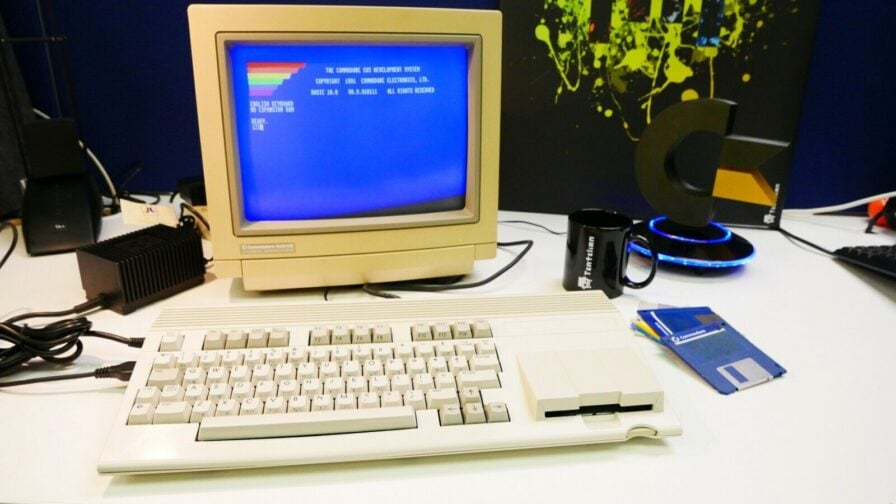
Commodore 65 (C65)
“The C65 was the computer that could have been. It was Commodore’s attempt to create a true successor to the C64, with 16-bit power while maintaining backward compatibility. It’s one of the great ‘what ifs’ of computing history.” - Bil Herd, Commodore Engineer
The Commodore 65 (C65) was a prototype computer developed by Commodore in the early 1990s as a successor to the immensely popular Commodore 64. Although it never reached full production, the C65 has become one of the most sought-after collector’s items in computing history, with only a handful of prototypes known to exist today.
The Computer That Never Was
Developed under the code name “64DX” or “Commander 65,” the C65 was intended to be a high-end 8-bit computer with some 16-bit features, designed to compete with early 16-bit systems while maintaining compatibility with the vast C64 software library.
Why the C65 Was Special
- Advanced Graphics: 256 colors from a palette of 4096
- Improved Sound: Enhanced SID chip with 8 voices
- Faster CPU: 3.54 MHz 65CE02 (compatible with 6502/6510)
- More Memory: 128KB RAM (expandable to 8MB)
- Built-in 3.5” Drive: 1.76MB capacity (880KB per side)
Technical Specifications
Technical Specifications
- CPU
- CSG 65CE02 @ 3.54 MHz
- Memory
- 128 KB RAM (expandable to 8MB) + 128 KB ROM
- Graphics
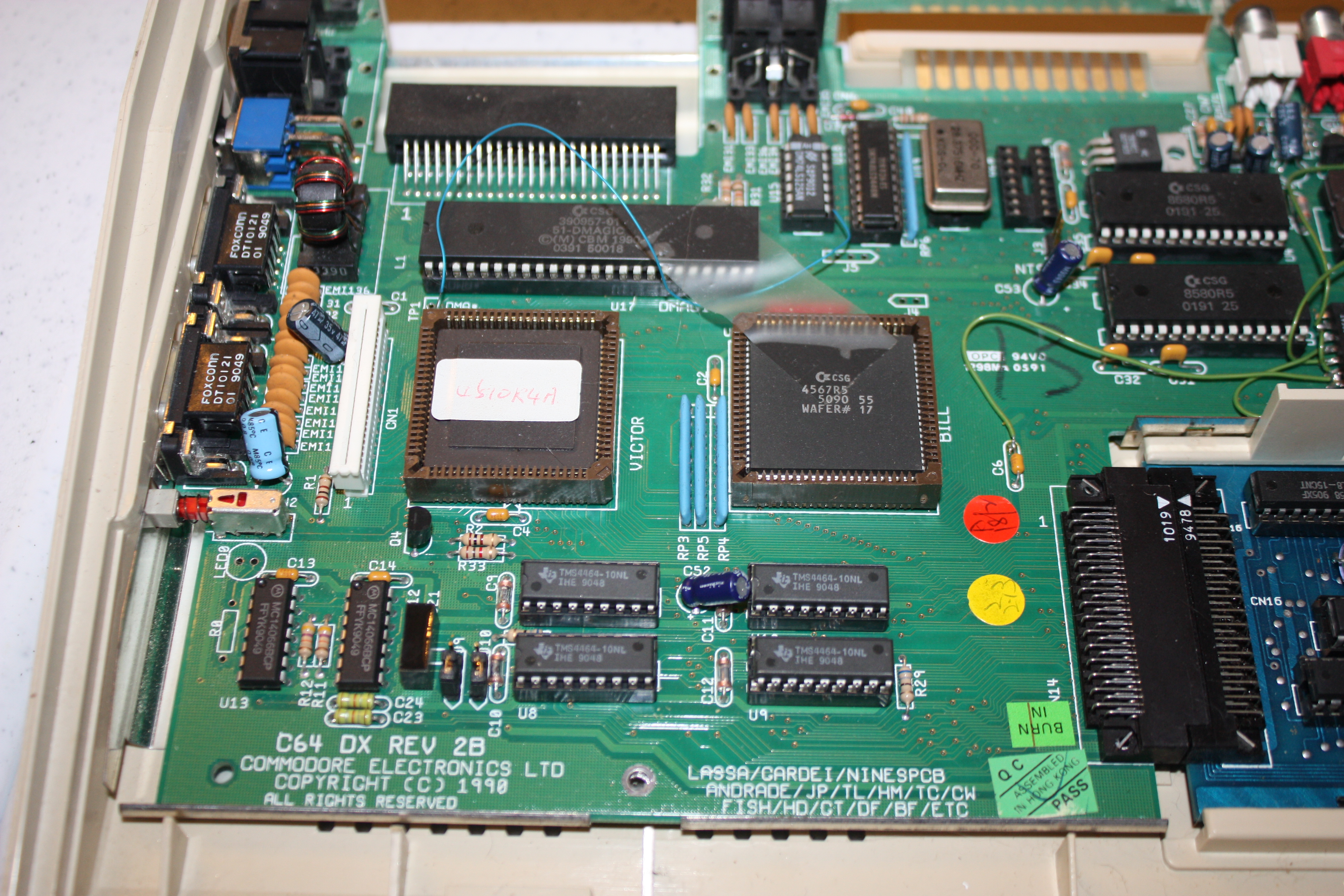
- CSG 4567 VIC-III - 640×400, 256 colors from 4096, 8 sprites
- Sound
- CSG 8580 SID + 2× CSG 8580 SID (3× SID chips total, 8 voices)
- Storage
- Built-in 3.5" DD floppy drive (1.76MB), optional external drives
- Ports
- Cartridge, floppy, serial, user, 2× joystick, TV/RF, RGB, power
- Operating System
- Commodore BASIC 10.0
Design and Features
Physical Design
- Case: Similar to C64C but with a built-in 3.5” drive
- Keyboard: Full-travel with numeric keypad and function keys
- Ports: Similar to C128 but with enhanced capabilities
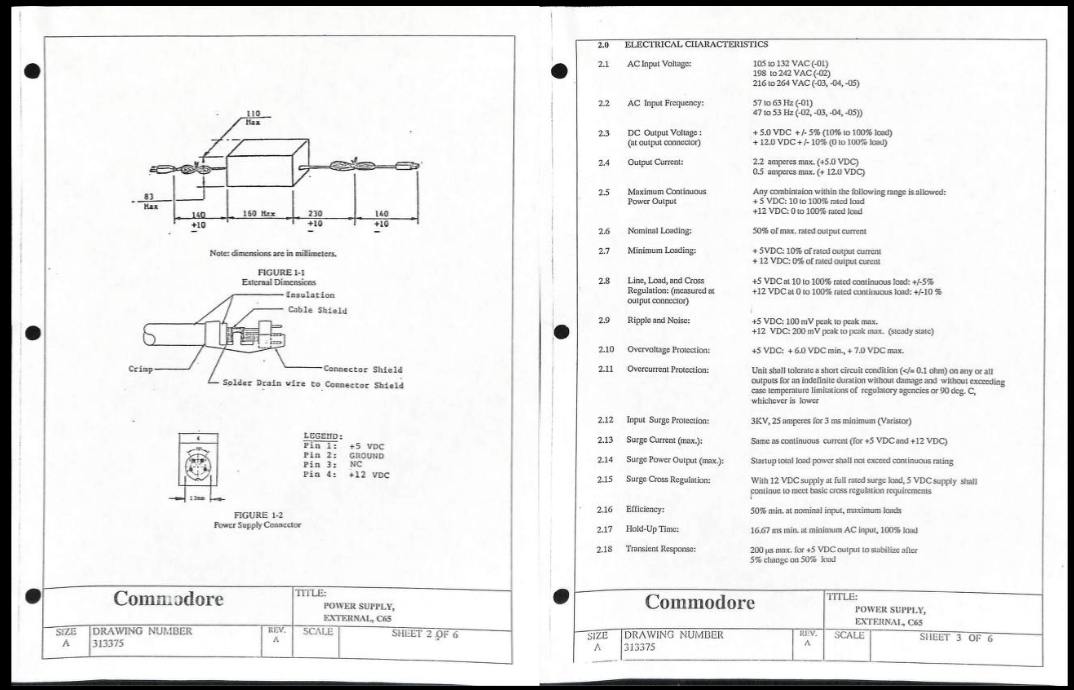
- Power Supply: External brick design
Graphics Capabilities
- Resolutions: 320×200, 640×200, 640×400
- Colors: 256 on screen from 4096 palette
- Sprites: 8 hardware sprites with collision detection
- Scrolling: Smooth hardware scrolling
- Blitter: For fast graphics operations
Sound System
- Three SID Chips: 8 independent voices
- Stereo Sound: Left/right channel separation
- Filters: Programmable audio filters
- Waveforms: Multiple waveform options per voice
The C65 Experience
For C64 Users
- Backward Compatibility: Nearly 100% C64 compatibility
- Faster Loading: 3.5” floppy and faster serial bus
- Enhanced BASIC: New commands and features
- More Memory: For larger programs
For Programmers
- BASIC 10.0: Significant improvements over BASIC 7.0
- Machine Language: Full access to new hardware
- Development Tools: Built-in monitor and debugger
- Documentation: Extensive technical documentation
For Gamers
- Better Graphics: More colors and higher resolution
- Enhanced Sound: More channels and effects
- Faster Performance: Smoother gameplay
- New Games: Titles taking advantage of the hardware
Technical Deep Dive
CPU and Memory
- 65CE02: Enhanced 6502 with new instructions
- Memory Map:
- $0000-$1FFF: RAM (8KB)
- $2000-$9FFF: RAM (32KB)
- $A000-$BFFF: ROM or RAM
- $C000-$FFFF: ROM or RAM
- MMU: Memory Management Unit for bank switching
Video System
- VIC-III: New graphics chip
- Display Modes:
- 320×200, 256 colors
- 640×200, 16 colors
- 640×400, 16 colors
- Character Modes: Text and bitmap modes
- DMA: Direct Memory Access for fast operations
Storage System
- 3.5” Floppy: 1.76MB capacity
- 1581 Compatibility: Could read/write 1581 disks
- Faster Serial Bus: Improved transfer speeds
- Hard Drive Support: Via expansion
The C65 Legacy
Why It Was Cancelled
- Market Changes: Shift to 16/32-bit computing
- Internal Politics: Management changes at Commodore
- Cost: Would have been expensive to produce
- Timing: Released too late in the 8-bit lifecycle
Prototype Status
- Quantity: Approximately 50-200 units produced
- Completeness: Near-production ready
- Variants: Several motherboard revisions exist
Collector’s Item
- Rarity: Extremely rare
- Value: $10,000-$50,000+ at auction
- Clones: FPGA recreations available
Notable Software
Built-in Software
- BASIC 10.0: Enhanced BASIC interpreter
- Monitor: Machine language monitor
- Disk Utilities: For managing files
Homebrew
- Games: New titles developed by enthusiasts
- Demos: Showcasing the hardware
- Tools: Development utilities
Technical Notes for Enthusiasts
Known Issues
- Incompatibilities: Some C64 software doesn’t run correctly
- Stability: Prototype hardware can be unstable
- Documentation: Limited technical information
Modern Projects
- C65GS: FPGA implementation
- MEGA65: Modern reimagining
- Emulation: VICE and other emulators
The C65 Today
Emulation
- VICE: Accurate C65 emulation
- MEGA65: FPGA-based recreation
- Other: Various emulation projects
Community
- Forums: Active discussion groups
- Preservation: Efforts to document the hardware
- Development: New software and hardware
Did You Know?
- The C65 was code-named “64DX” during development
- Some C65 prototypes were sold at a liquidation auction in 1995
- The C65’s BASIC 10.0 included commands for its advanced graphics and sound
- A few C65s were used in television production after Commodore’s demise
- The C65’s design influenced later Commodore products, including the unreleased C64GS II
The C65 in Popular Culture
- Featured in the documentary “From Bedrooms to Billions”
- Mentioned in retro computing books and magazines
- The subject of numerous YouTube videos and articles
- Inspired the creation of the MEGA65 project