Commodore PET
Gallery
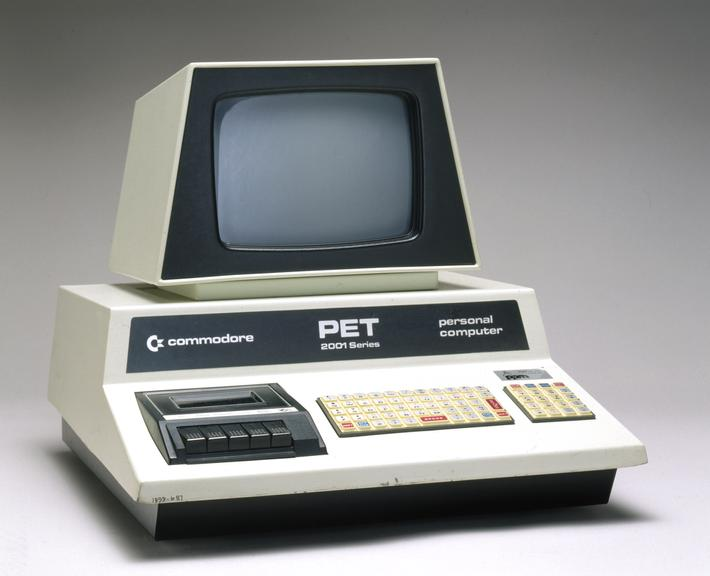
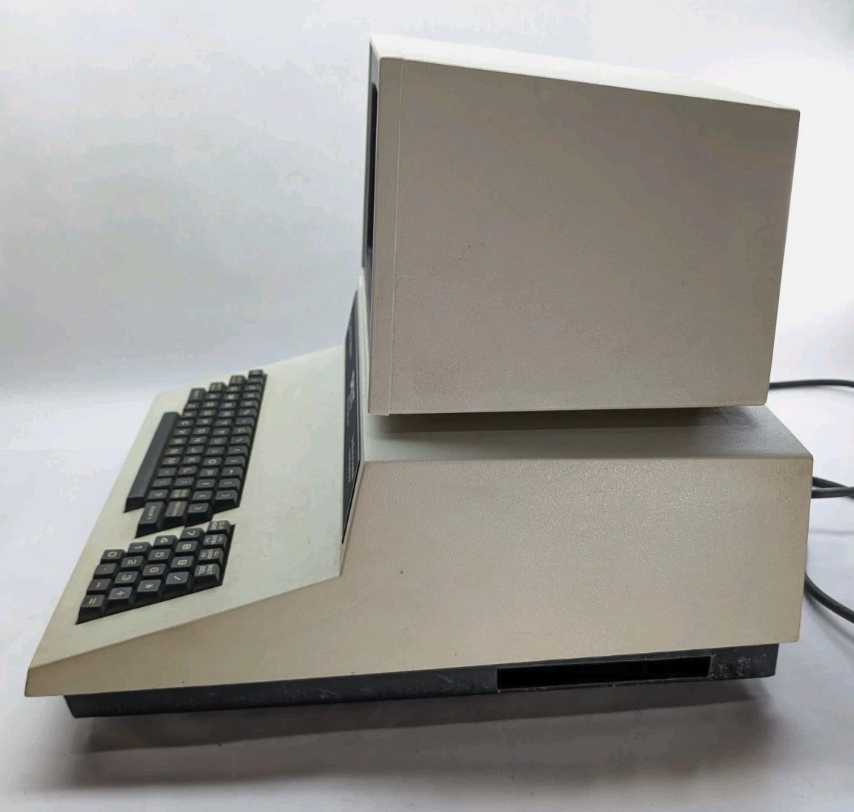
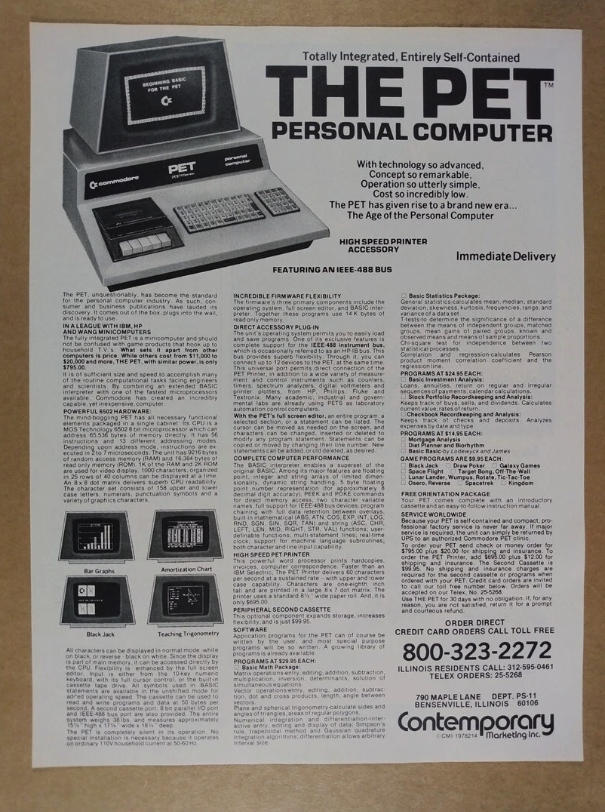
Commodore PET 2001
“The PET was the computer that started it all for Commodore. It wasn’t just a computer—it was a complete system that you could take out of the box, plug in, and start using. That was revolutionary in 1977.” - Chuck Peddle, Lead Designer of the PET and 6502 Processor
The Commodore PET (Personal Electronic Transactor) was Commodore’s first full-featured personal computer, introduced in 1977. As one of the first all-in-one personal computers, the PET combined a MOS 6502 microprocessor, display, keyboard, and tape drive in a single metal case. It was one of three pioneering personal computers introduced in 1977—alongside the Apple II and TRS-80—that would come to define the personal computing revolution.
The Birth of an Icon
The PET was developed against all odds in just six months by a small team led by Chuck Peddle. The name “PET” was originally an acronym for “Personal Electronic Transactor,” though Commodore later marketed it as the “Pet Computer.” The PET’s all-in-one design set it apart from other computers of the era, which typically required separate components for the computer, display, and storage.
Why the PET Mattered
- Complete System: All-in-one design with built-in display and storage
- Business Focus: First computer to be widely adopted by businesses
- Educational Impact: Revolutionized computer education in schools
- Technical Firsts: First computer with a built-in tape drive
Technical Specifications
Technical Specifications
- CPU
- MOS 6502 @ 1 MHz
- Memory
- 4 KB RAM (expandable to 32 KB) + 14 KB ROM
- Graphics
- Built-in 9" monochrome monitor, 40×25 text, 64×50 graphics
- Sound
- Built-in speaker (beep only)
- Storage
- Built-in Datasette (tape drive), optional 8" floppy drive
- Ports
- Parallel IEEE-488 (for printers/disks), cassette, ROM cartridge
- Operating System
- Commodore BASIC 1.0 in ROM
The PET Family
PET 2001 (1977)
- Original model with 4KB RAM
- Built-in Datasette
- Chiclet keyboard
- 9” monochrome display
PET 2001-N-8 (1978)
- 8KB RAM
- Full-travel keyboard
- Improved keyboard layout
PET 2001-8/B (1979)
- Business keyboard
- 16KB or 32KB RAM options
- Updated ROMs
PET 4000 Series (1980)
- 40-column or 80-column displays
- Updated keyboard design
- Up to 96KB RAM
SuperPET 9000 (1982)
- Dual 6502 and 6809 processors
- 96KB RAM
- Multi-language support
- Academic focus
The PET Experience
For Business Users
- Word Processing: Early business applications
- Accounting: Financial software
- Database: Business record keeping
- Reliability: Industrial-strength construction
For Educators
- Classroom Ready: Built for school environments
- Educational Software: Early CAI programs
- Computer Literacy: Introduced programming to a generation
For Programmers
- BASIC 1.0/2.0/4.0: Evolving programming environment
- Machine Language: Full hardware access
- PEEK/POKE: Direct memory manipulation
Technical Deep Dive
CPU and Memory
- MOS 6502: 1 MHz processor
- Memory Map:
- 0x0000-0x8FFF: RAM (up to 32KB)
- 0x9000-0x9FFF: I/O
- 0xA000-0xBFFF: Optional ROM
- 0xC000-0xFFFF: ROM (BASIC, KERNAL)
Video System
- Display: 9” monochrome monitor
- Text Modes: 40×25 or 80×25 characters
- Character Set: Upper-case only (original models)
- Graphics: Block-based, 64×50 resolution
Storage
- Datasette: 300 baud tape storage
- Floppy Drives: 2040, 2040, 8050 (100KB-1MB)
- Hard Drives: Rare 8” Winchester drives
The PET Legacy
Commercial Success
- Sales: Over 1 million units sold
- Markets: Strong in education and business
- Longevity: In production until 1982
Technical Influence
- All-in-One Design: Inspired future computers
- BASIC Language: Set standards for future implementations
- I/O System: IEEE-488 became an industry standard
Collector’s Item
- Rarity: Early models highly sought after
- Value: $500-$5,000 depending on model and condition
- Restoration: Active community of restorers
Notable Software
Business
- SuperWriter: Word processor
- SuperCalc: Spreadsheet
- Data Manager: Database
Education
- Classroom Manager
- Typing Tutor
- Computer-Assisted Instruction
Games
- Space Invaders
- Pac-Man
- Lunar Lander
- Star Trek
Technical Notes for Enthusiasts
Hardware Revisions
- Original PET (2001): 4KB, chiclet keyboard
- 2001-N-8: 8KB, full keyboard
- 4000 Series: 40/80 columns, updated design
- SuperPET: Dual CPU, academic focus
Common Issues
- Keyboard: Chiclet keys can fail
- RAM Chips: 2102 RAM failures common
- Power Supply: Can fail and damage computer
- CRT: High voltage components
Modern Upgrades
- RAM Expansions: Up to 256KB
- Storage: SD card interfaces
- Video: Composite/RGB output
- Networking: Ethernet interfaces
The PET Today
Emulation
- VICE: Full PET emulation
- MAME: Arcade emulation with PET support
- FPGA: Hardware-accurate recreations
Community
- User Groups: Active worldwide
- Forums: Online communities
- Events: Vintage computer festivals
Development
- New Software: Still being created
- Hardware: Modern peripherals
- Documentation: Extensive online resources
Did You Know?
- The PET was originally going to be called the PET 2001 to evoke the movie “2001: A Space Odyssey”
- Early PETs had a “deadly poke” (POKE 59458,62) that could damage the CRT
- The PET was used by the US Army for artillery calculations
- The PET’s case was designed to meet California earthquake standards
- The original PET’s keyboard was so bad that some users attached external keyboards
The PET in Popular Culture
- Featured in the movie “Real Genius” (1985)
- Appeared in the TV show “WKRP in Cincinnati”
- Used by Stephen King to write several novels in the 1980s
- Displayed in the Smithsonian’s National Museum of American History